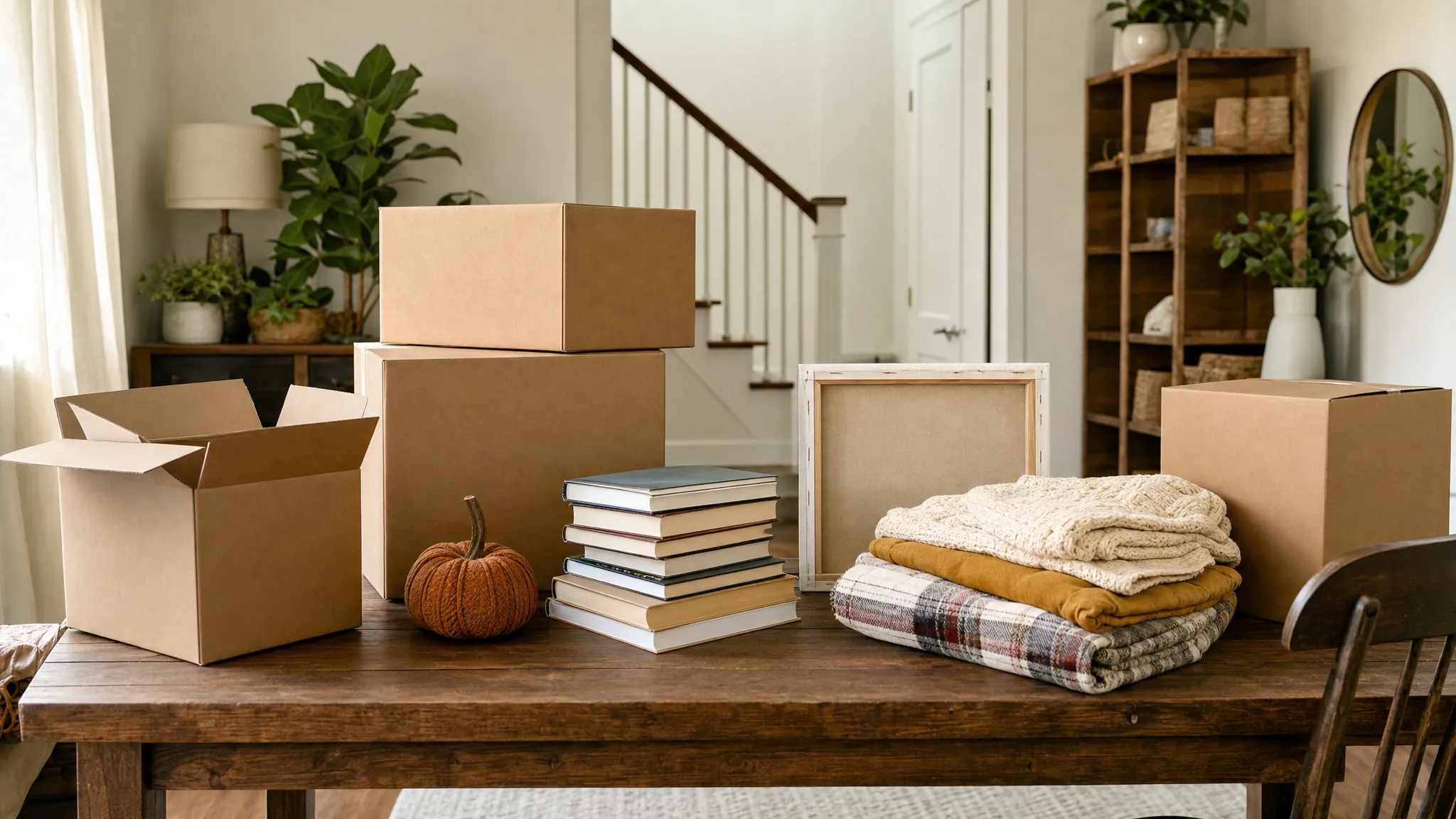
When you are trying to get a whole home into boxes, the instinct is understandable: if it belongs to you, pack it. But a smoother move starts with a small exception list. Some items can leak, overheat, break, spoil, or create a safety issue in a truck. Others are simply too important to let out of your sight.
The point is not to make moving day more complicated. It is to decide early which items belong in a different plan. Once those choices are made, the rest of your packing can move forward without a last-minute search for a disposal site, an overloaded car, or the one folder you suddenly need.
Start by separating the safety-sensitive items
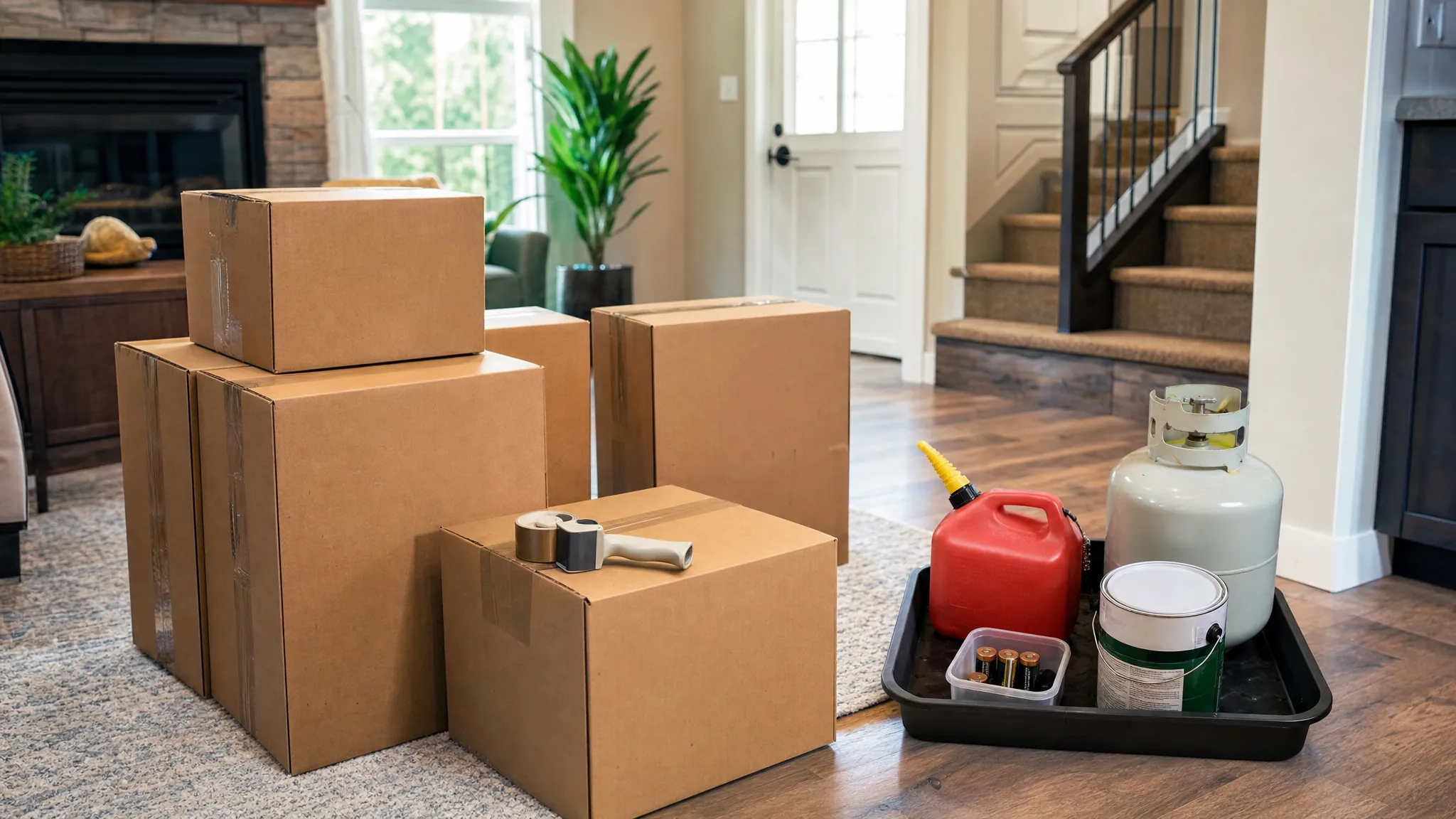
Set aside anything that could become a fire, leak, or fumes problem if it is jostled in a warm, enclosed truck. The exact list depends on what you own and the rules for your move, but common examples include gasoline, propane cylinders, fireworks, ammunition, many aerosol cans, pool chemicals, strong cleaners, paint products, pesticides, and loose batteries.
Do not make a snap decision based only on whether a container looks sealed. A cap can loosen, a can may be partly full, and a product that is harmless in a garage can be a poor fit inside a packed vehicle. The U.S. Environmental Protection Agency explains that paints, cleaners, oils, batteries, and pesticides can need special household hazardous waste handling when they are discarded.
Before you pack, gather these items in one visible area and make a short plan for each one: use it up, take it yourself if appropriate, give it to someone who can use it, or bring it to an approved disposal site. That is much easier than discovering a half-full fuel can or old paint on the morning the crew arrives.
Use local disposal guidance before your move date
For Northern Colorado households, local guidance can take the guesswork out of where a product belongs. The Larimer County Household Hazardous Waste Facility listing is a useful place to begin when you are sorting batteries, paint, chemicals, and other products that should not be treated like ordinary moving supplies. Check the current accepted materials and hours before you make the trip.
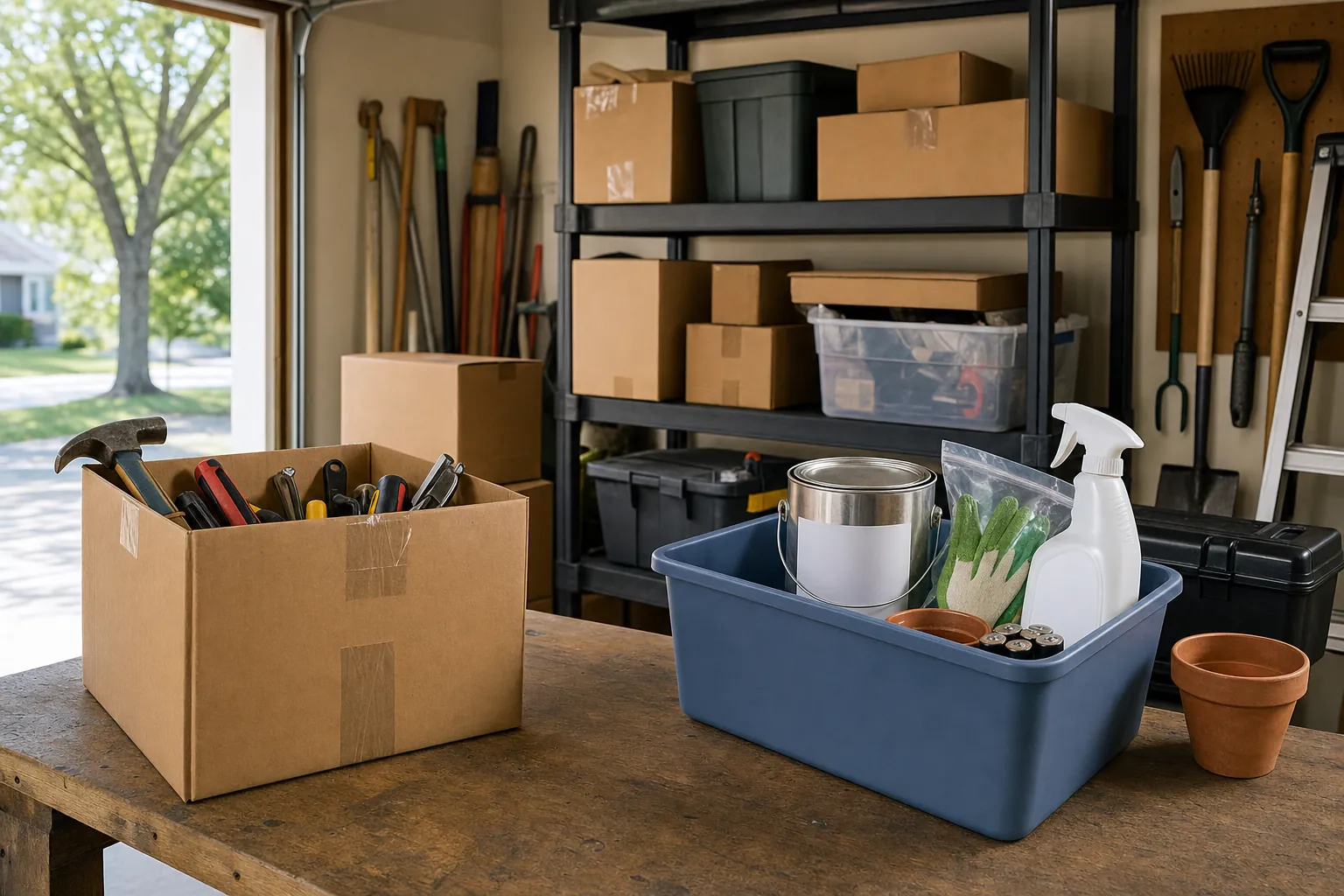
Keep products in their original containers whenever you can. Do not mix leftover liquids into one bottle to save space, and do not put unlabeled products in with ordinary trash just because you are trying to clear a shelf. If you are unsure, pause and use local guidance rather than guessing.
This step is particularly helpful for garages, sheds, utility rooms, and hobby spaces. Those rooms often contain the items people forget until the end: lawn products, solvents, rechargeable batteries, car-care supplies, and old cans of paint. Deal with them before you pack the rest of the room, then you can move on to the things that are safe to box and label.
Ask about the unusual items before moving day
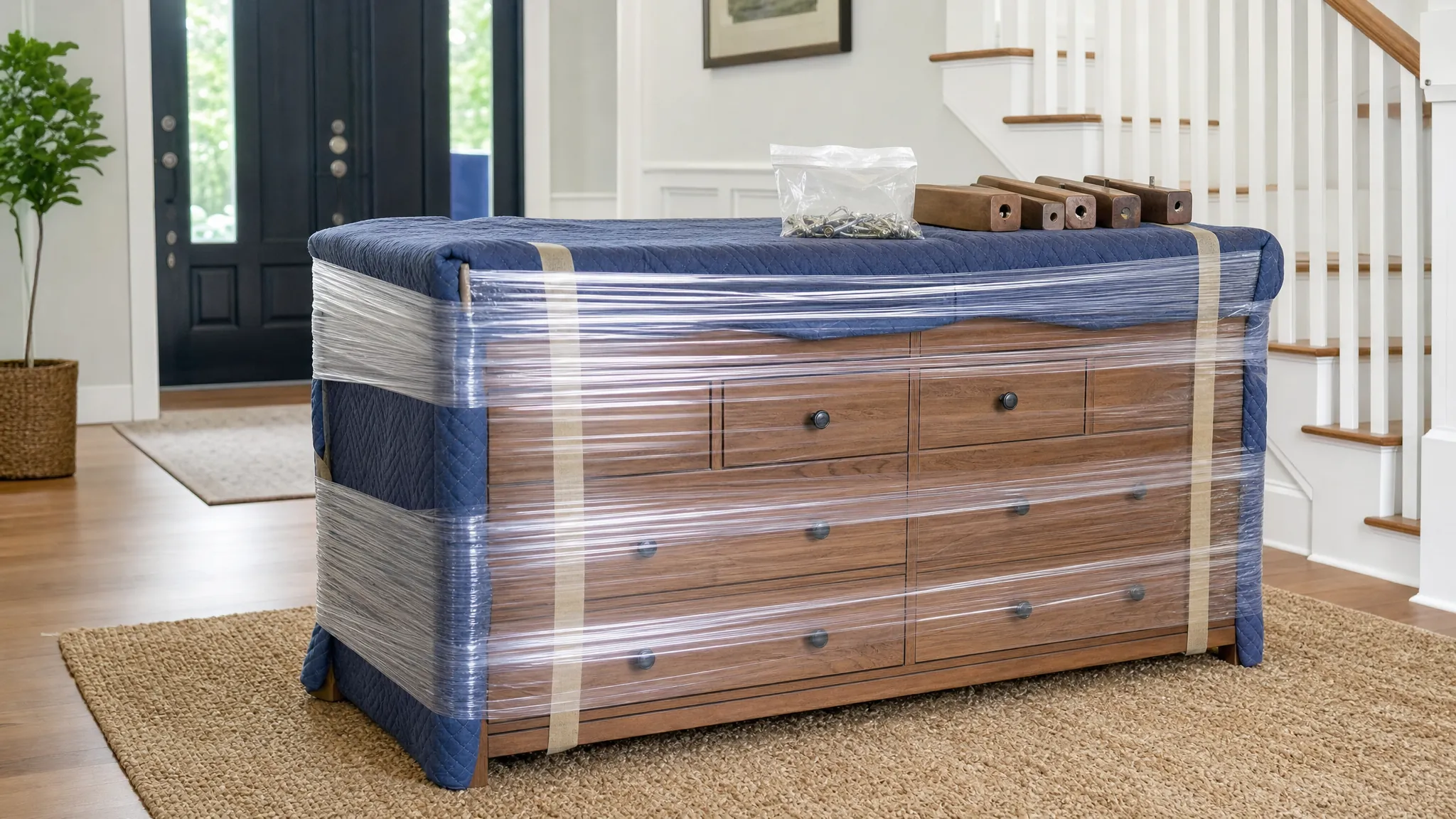
Make a list of anything that is heavy, fragile, unusually shaped, or difficult to move. Large aquariums, safes, oversized artwork, exercise equipment, appliances, antiques, and specialty tools all deserve a conversation before the truck arrives. The answer may be simple, but finding out early gives you time to prepare the item properly or choose another plan.
A quick note is enough. List the item, where it is in the home, whether it comes apart, and anything that may affect access, such as stairs, a narrow doorway, or a detached garage. Take a photo if an item has multiple pieces or exposed hardware. That helps you explain the situation clearly when you request help.
This is also the right moment to separate items that you plan to move yourself. You might choose to carry a small heirloom, a favorite instrument, a sensitive computer, or a family photo box in your own vehicle. Tell the crew what is staying behind so there is no uncertainty when loading begins.
Do not wait until a truck is parked outside to raise these questions. Last-minute surprises can slow down the whole day, especially when a large item needs to be emptied, disconnected, wrapped differently, or routed through a tighter space than expected. A little advance notice lets everyone arrive with the right expectation and keeps the day focused on moving forward.
If you are still deciding how much help you need, start with the work you do not want to manage alone: fragile packing, heavy lifting, awkward furniture, or the parts of the home that are hardest to sort. That gives you a more useful estimate conversation than trying to explain every box you own.
Keep the things you cannot replace with you
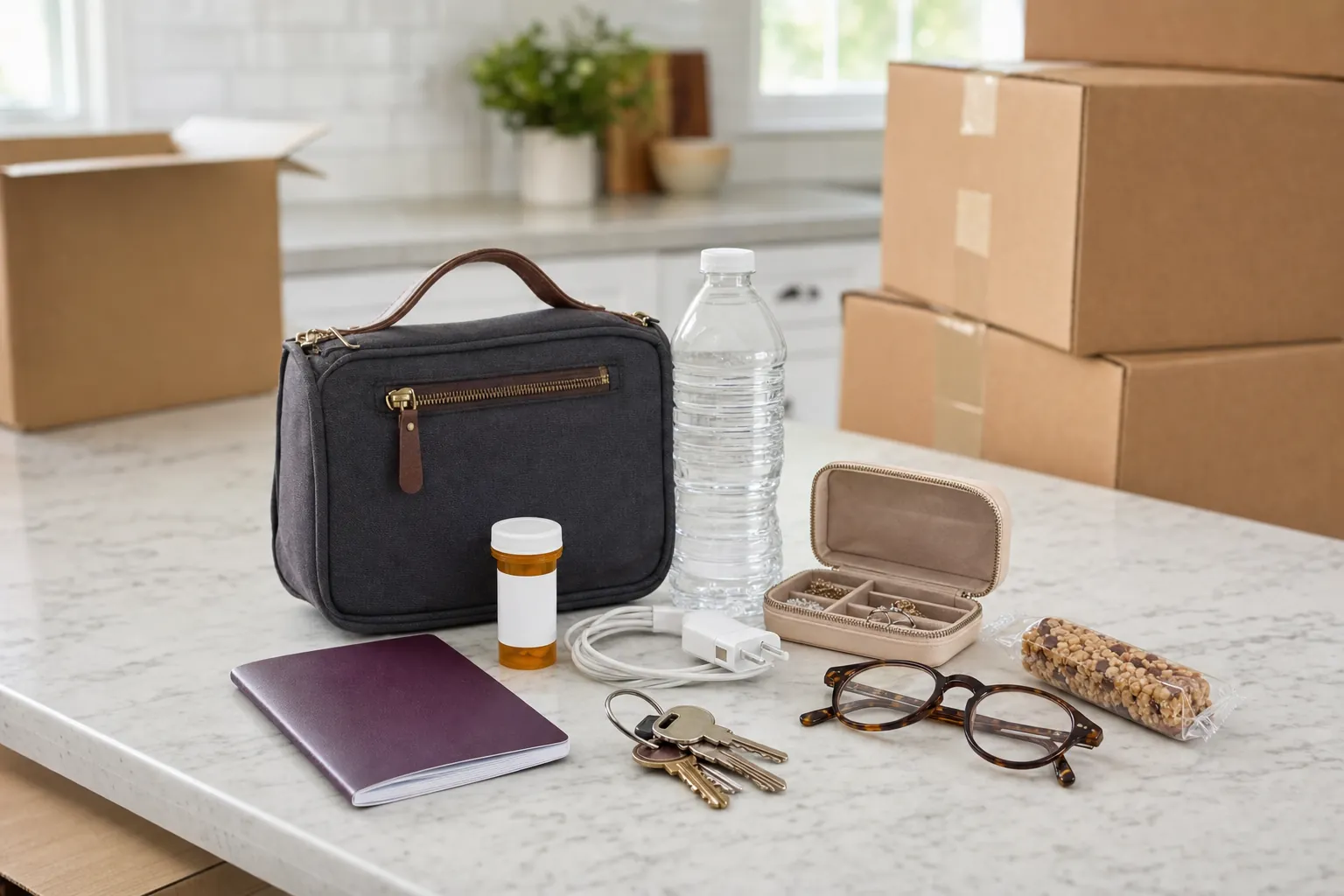
Some belongings are safe to move but still do not belong in the truck. Keep your identification, passports, financial documents, property paperwork, prescription medications, keys, eyeglasses, small electronics, jewelry, family photos, and other irreplaceable items in a bag or tote that stays with you.
Think of this as your personal moving-day kit, not another box in the pile. Choose one bag that is easy to identify and decide who is responsible for it. If you are moving with children or pets, add the daily items that keep them comfortable: medications, snacks, water, a change of clothes, leashes, and the essentials you will need before the first box is unpacked.
It is also smart to keep a small folder or digital note with your new address, utility details, move-day contacts, and any building access instructions. You may never need it during the move, but it is much more useful in your hand than somewhere in a stack of labeled cartons.
Be realistic about food, plants, and everyday supplies
Not every item on the list is dangerous. Some are simply inconvenient to move. Perishable food can spoil, open pantry items can spill, and a refrigerator full of leftovers creates extra work at both ends of the move. In the final week, plan meals around what you already have and donate unopened shelf-stable food you will not use.
Houseplants deserve their own plan too. They can tip, dry out, or be damaged by temperature changes. Smaller plants are usually easier to take in your own vehicle, where they can stay upright and get some air. If a plant is large or delicate, decide before moving day whether it is worth taking, giving away, or rehoming.
The same thinking applies to your everyday cleaning supplies. Keep only what you will need to clean the home you are leaving and handle the first few days in the new one. A small, clearly separated kit is easier to manage than a half-used collection of products rolling around in a box.
Do not pack an essentials box and forget where it went
There is a difference between an essentials box and your personal bag. Your personal bag stays with you. The essentials box is for the first night and first morning in the new place: toilet paper, paper towels, basic toiletries, a phone charger, simple tools, trash bags, light bulbs, cleaning supplies, cups, snacks, and bedding.
Give that box a bold, specific label and load it last so it comes off early. You can also put it in your vehicle if there is room. This prevents the familiar end-of-day problem of opening ten boxes to find one roll of tape, a toothbrush, or the coffee maker.
If you have not started packing yet, use our guide to what to pack first when moving to build a realistic order. It pairs well with this list: one guide tells you where to begin, and this one tells you what needs a different plan.
Make a final no-truck walk-through
The day before the move, walk through the house once with this question in mind: what should not be buried in a box or loaded by accident? Start at the front door and move room by room. Check countertops, bathroom cabinets, the refrigerator, garage shelves, under the kitchen sink, and the trunk of your car.
Use a short final checklist:
- Safety-sensitive products: Fuel, propane, chemicals, batteries, paint, and anything that needs local disposal or a separate plan.
- Personal bag: Identification, medications, keys, documents, chargers, glasses, jewelry, and daily essentials.
- First-night box: Bedding, toiletries, basic tools, simple cleaning supplies, snacks, and the items that make the first evening easier.
- Food and plants: Remaining cold food, open pantry items, houseplants, and pet supplies that will travel with you.
- Special items: Anything large, fragile, or unusual that you have discussed with the moving team ahead of time.
Put a small note on the items that stay with you, then place them together near the door or directly in your car. The goal is not to create more piles. It is to make one clear distinction between what the movers will handle and what your household will handle personally.
Keep the moving truck for the items it is meant to carry
Once you have pulled out the hazardous, personal, and perishable items, most of the home is ready for normal packing. Focus on sturdy boxes, room-by-room labels, and enough protection for fragile belongings. This is where a little structure pays off. Make a quick walk-through of each room, put like items together, and leave a clear path for loading day.
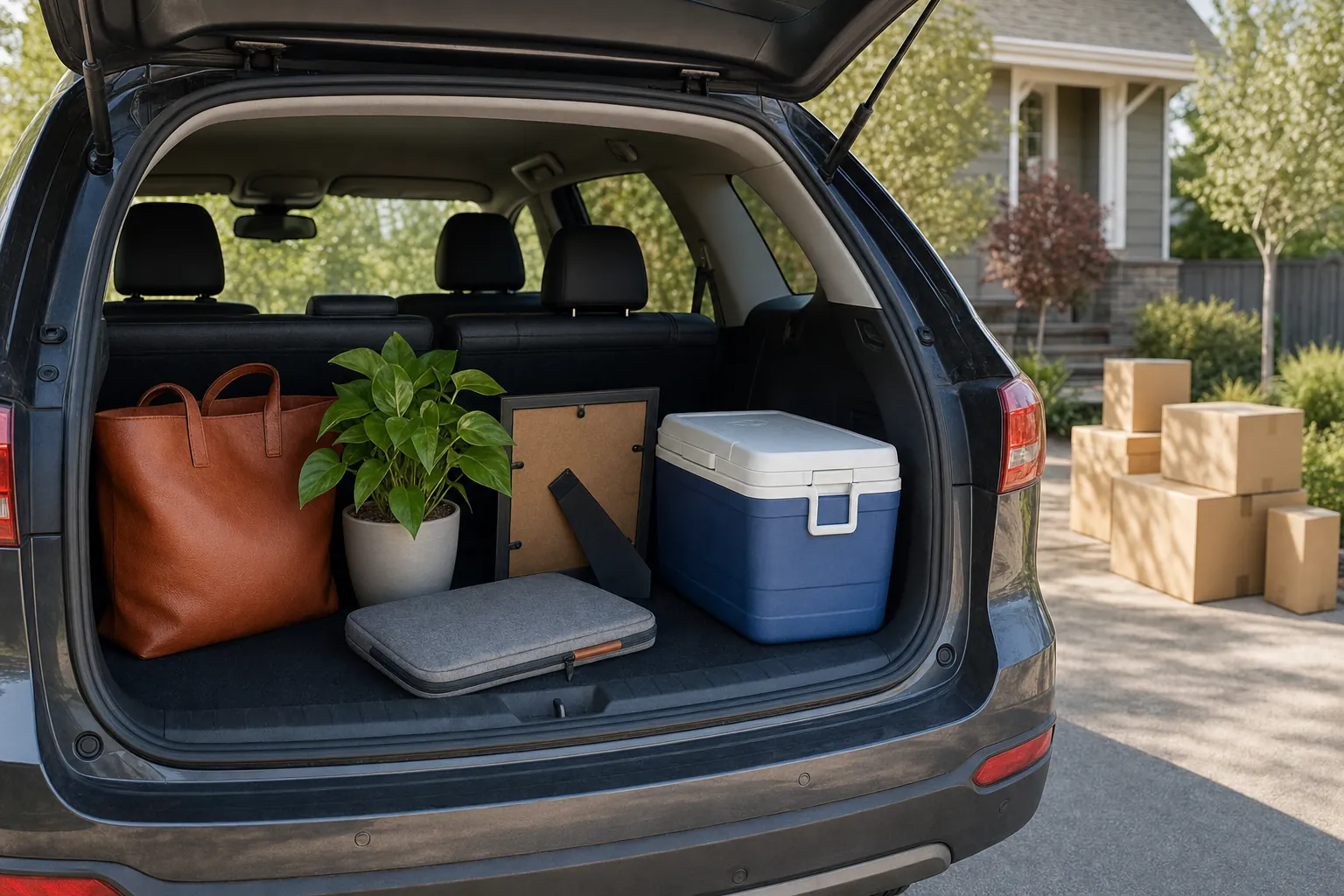
For valuables and essentials, use your own vehicle whenever you can. That can include your personal tote, pet supplies, plants, small heirlooms, a laptop, and the essentials box. You stay in control of the items you are most likely to need quickly, while the truck is left with the furniture and labeled boxes it is built to handle.
Get help with the parts that still feel difficult
You do not need to figure out every part of packing alone. Get Moving can provide full or partial packing support for kitchens, garages, fragile belongings, and the rooms that take the most time. Tell the team what has already been packed, what will travel with you, and anything that needs extra care so the plan is clear from the start.
For a full local move, the local moving team can handle the loading, transport, and unloading of the belongings that are ready to go. If you are using a rental truck, storage unit, or portable container, loading and unloading help can cover the heavy work without requiring a full-service move.
For a broader look at the ways the crew can help, see the full moving services overview. When you are ready to talk through the details, use the free estimate request. A short conversation before move day can help you choose the right mix of packing, moving, and labor support for your home.
Frequently asked questions
What should you not pack when moving?
Do not assume every household item belongs in a moving box or truck. Fuel, propane cylinders, many household chemicals, loose batteries, and other flammable or hazardous products often need separate handling. Important documents, medications, keys, valuables, and daily essentials are also better kept with you.
Can movers take paint, propane, or gasoline?
Ask your moving company before moving day because each company and move has its own rules. As a practical starting point, do not pack these items until you have confirmed the plan. They can create safety problems in a closed truck, especially when containers leak, heat up, or get damaged.
Should I pack jewelry and important documents?
Keep irreplaceable, personal, and high-value items with you whenever possible. That includes identification, financial records, medications, prescription glasses, keys, family photos, small electronics, and sentimental items that you would not want separated from you during the move.
What do I do with household chemicals before moving?
Check local household hazardous waste guidance before move day. Keep products in their original containers when you can, do not mix products together, and use the correct disposal or drop-off option for anything you cannot safely take with you.