Furniture is often the hardest part of a move to prepare because it is big, awkward, and already finished. A scratched table, torn sofa arm, or lost bed-frame bolt can turn a normal move into a frustrating repair project. The good news is that most furniture protection comes down to a repeatable order: clean it, decide what comes apart, protect the vulnerable spots, wrap it with the right material, and make a loading plan before the truck arrives.
You do not need to wrap every chair leg like a museum piece. You do need to notice the surfaces and connections that can break, rub, snag, or come loose in a doorway or truck. Start early enough to handle one room at a time, and save the heaviest or most complicated pieces for a conversation with your moving team.
Start with a quick furniture plan
Walk through the home and make a short list of the pieces that need more than a blanket thrown over them. Include beds, dressers, dining tables, glass tops, mirrors, bookcases, sectionals, recliners, desks, antique pieces, and anything with loose parts. Note where each piece is going, whether it must go down stairs or through a tight doorway, and whether it is still needed before moving day.
This walk-through helps you sort furniture into three groups. The first can travel mostly as it is, such as sturdy chairs, small side tables, and solid wood pieces without removable parts. The second needs partial disassembly, such as beds, dining tables with removable legs, modular shelving, and sectionals. The third needs special planning because it is fragile, unusually heavy, sentimental, or hard to maneuver.
Measure pieces that already look like a close fit. Compare them with doorways, stair turns, elevator interiors, and the path from the room to the truck. A table that fits in the dining room may need its legs removed to make a narrow hall turn. Learning that before move day gives you options instead of a last-minute problem.
Gather the materials that actually protect furniture
Good protection does not require a pile of specialty products, but it does require the right layers. Moving blankets are the workhorse for finished wood, upholstery, and painted surfaces. Stretch wrap is useful for holding those blankets in place. Cardboard corners, packing paper, bubble wrap, and small boxes protect edges, glass, hardware, and detachable pieces that need a firmer barrier.
- Moving blankets: Cover broad surfaces and create padding between furniture pieces in the truck.
- Stretch wrap: Holds pads and drawers in place. Use it over the blanket, not as the only protection for finished surfaces.
- Cardboard and corner protectors: Help shield sharp table edges, framed art, mirrors, and vulnerable wood corners.
- Small bags and a marker: Keep bolts, screws, shelf pins, remotes, and assembly pieces with the furniture they belong to.
- Basic tools: A screwdriver, Allen keys, adjustable wrench, and a small container for hardware cover many common pieces.
Do not use tape directly on finished wood, upholstery, leather, or delicate paint. Adhesive can leave residue or pull at a surface, especially if it sits through heat or a long move. Tape can secure cardboard around the outside of a blanket or wrap, but the furniture itself should stay behind a protective layer.
Empty, clean, and photograph each piece first
Before you move a dresser, desk, cabinet, or media console, empty the loose contents that add weight or could slide around. Heavy books, cookware, tools, breakables, electronics, files, and valuables should come out. A light drawer organizer or folded linens may be fine to move separately in a labeled box, but avoid turning a large piece of furniture into a hidden storage container.
Give the furniture a quick cleaning while you can still reach every surface. Dust and grit can act like sandpaper once a blanket shifts against the finish. Wipe away crumbs, loose dirt, and moisture, then let the surface dry before covering it. For upholstered furniture, check between cushions and under seats for small items that could be lost or damage the fabric.
Take a few photos of complicated pieces before you remove anything. A photo of the back of a television stand, the underside of a table, or the hardware placement on a bed frame can save time when you are putting the home back together. It is also helpful to photograph existing marks on valuable furniture so you know what was already there.
Disassemble only what makes the move safer
Taking furniture apart is helpful when it makes the piece smaller, more stable, or easier to carry. It is not helpful when it creates a pile of confusing pieces that are more likely to be damaged or lost. Start with the parts designed to come off: bed-frame rails, table legs, shelves, removable glass, sectional connectors, and detachable feet.
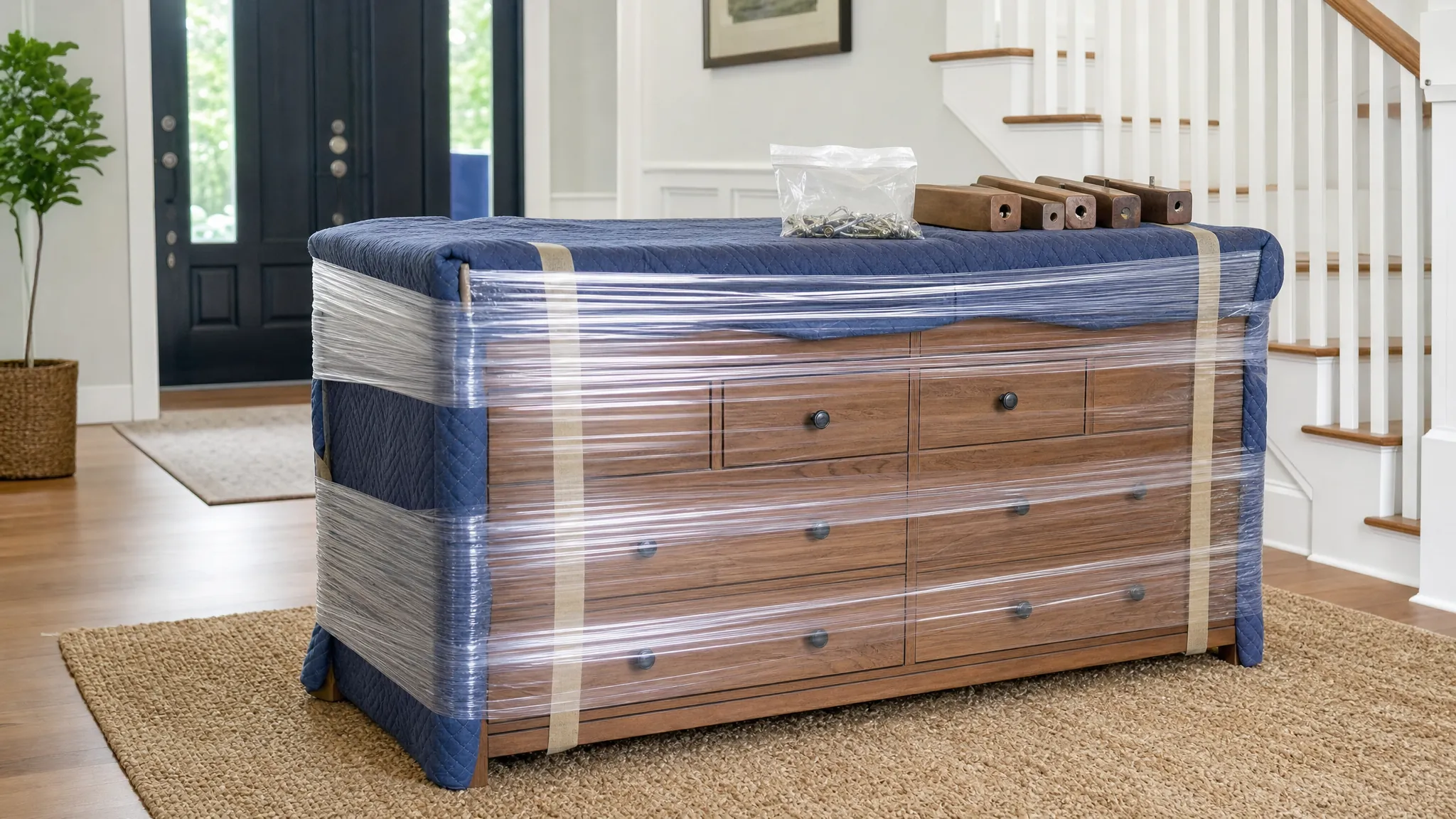
Keep the hardware for each item together. Put bolts, screws, washers, and assembly tools in one small bag, label it with the furniture name and room, then tape or tie the bag to a protected section of that piece. If you prefer to keep all hardware in one box, make a clear list and put the label on the outside. The problem is rarely the screw itself. It is trying to identify one small screw from five different pieces after a long moving day.
Remove drawers when they make a dresser or cabinet too heavy to handle, when the drawers can open during carrying, or when the furniture needs to go up or down stairs. For local moves, light drawers may be secured in place if the piece remains stable and the mover agrees with the plan. Do not leave fragile, heavy, or valuable contents inside just to save a box.

Protect the parts that get damaged first
Furniture is most vulnerable at corners, feet, handles, glass, decorative trim, and places where two pieces can rub together. Start by protecting those points, then cover the larger surfaces. Corner protectors or folded cardboard work well on table edges and wood corners. Wrap loose knobs, hardware, and exposed metal so they do not scrape another piece in the truck.
For sofas, chairs, and mattresses, use clean moving blankets or furniture covers that keep dirt and snagging away from the fabric. Be especially careful with recliners and adjustable furniture. Secure moving mechanisms according to the manufacturer guidance, remove loose cushions when appropriate, and do not lift the piece by a footrest or movable arm.
Glass tabletops, mirrors, and framed artwork need their own plan. Remove them from the furniture whenever the design allows, cover the face and edges, keep them upright, and make sure the people carrying them know exactly what they have. If small children visit the home, keep tall, top-heavy pieces secured or stable while rooms are being cleared and rearranged.
Wrap furniture in the right order
Once the corners and fragile parts are protected, drape moving blankets over the piece so the padding reaches all major surfaces. Use more than one blanket for dressers, headboards, large tables, and finished wood that could rub during transport. The blanket should cover the furniture, not hang loosely enough to catch on a doorway.
Use stretch wrap around the outside of the blanket to keep everything in place. It should be snug, not so tight that it cuts into a soft surface or pulls a delicate component. Wrap in overlapping passes, check the corners, and make sure the furniture can still be held safely. The goal is a stable padded layer, not a shiny plastic shell.
Wood furniture, leather, and other sensitive finishes benefit from a breathable layer between the surface and any tight wrap. A moving blanket or paper padding is what prevents direct contact. Do not trap moisture against a piece that is still damp from cleaning, and avoid leaving plastic pressed against finished surfaces for longer than needed.
Make carrying and loading part of the packing plan
A well-wrapped piece can still be damaged if it is carried from the wrong point or loaded where it can shift. Clear the route before lifting. Remove rugs that slide, open doors fully, keep children and pets away from the path, and make sure there is somewhere to set the piece down if you need to adjust your grip.
Lift furniture from its strongest structural points, not from a drawer handle, thin decorative rail, removable leg, or movable recliner component. Use furniture dollies, hand trucks, lifting straps, and enough people for the size and weight of the item. When in doubt, pause. One difficult stair turn or awkward lift is usually not the moment to test how much one person can carry.
On the truck, large furniture should be placed against a stable wall and protected from rubbing against other items. Keep heavy pieces low, use straps to prevent movement, and fill gaps with padded items that will not crush. Glass and mirrors stay upright. Do not stack heavy boxes on upholstered furniture, and do not let a wrapped dresser roll or slide into an unprotected table.

Know when a piece needs more than a DIY plan
Some furniture deserves an early conversation instead of an improvised move-day solution. This includes large safes, pianos, oversized mirrors, antiques, fragile glass cases, very heavy stone tops, expensive artwork, appliances with special handling needs, and furniture that has to go through a tight stairwell or balcony route. The answer may be straightforward, but the team needs the details before arriving.
Take a photo, note the dimensions, describe the access points, and mention anything that comes apart. That gives Get Moving time to plan the right number of people, protective materials, and route. It also lets you decide whether to bring in help for one difficult item, a room of furniture, or the entire move.
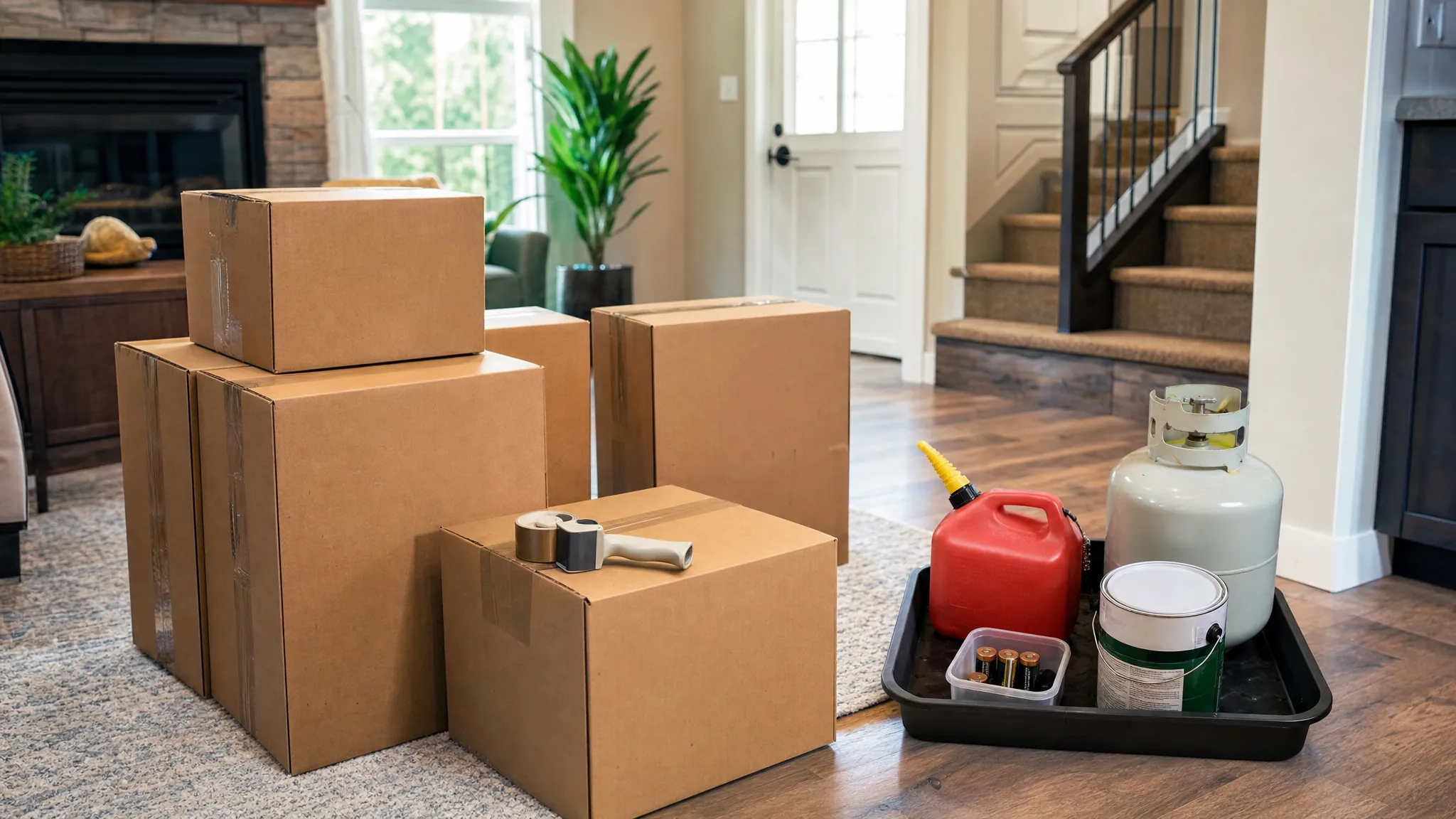
Our guide to what not to pack when moving can help with the other things that need a separate plan, including hazardous products, valuables, and belongings that should stay with you. For the rest of the home, use the packing order guide to keep furniture prep from taking over every room at once.
How Get Moving can handle the heavy work
If you have the time to pack but do not want to manage the difficult rooms or fragile pieces alone, Get Moving offers full and partial packing help for furniture, kitchens, artwork, and the parts of a home that take the longest. For a local move, the residential moving crew can handle the loading, transport, and unloading with the right basic equipment and protection.
You can also use loading and unloading help when you have a rental truck, portable container, or storage unit but need experienced hands for the furniture. Tell the team what is moving, the access details, and the pieces that need extra care. When you are ready, use the free estimate request to build a plan around the actual work in front of you.
Frequently asked questions
Should I take furniture apart before moving?
Take apart only the pieces that become safer, easier to carry, or more likely to be damaged if they stay assembled. Bed frames, removable legs, mirrors, shelves, and large sectionals are common examples. Keep the hardware for each piece in its own labeled bag and secure that bag to the furniture or place it in one clearly marked hardware box.
Can I leave drawers full when moving furniture?
Light, stable items can sometimes stay in a sturdy dresser drawer when the piece is being moved locally, but heavy, loose, fragile, or valuable items should come out first. Emptying a drawer also makes the furniture easier to carry and reduces the chance of a drawer shifting open.
What is the best material for wrapping furniture?
Moving blankets are the main protective layer for wood, upholstered furniture, and finished surfaces. Use stretch wrap to hold blankets in place, not directly against delicate wood or leather for a long period. Cardboard corner protection, bubble wrap, and boxes are useful for the vulnerable parts that need a firmer barrier.
How do I protect a mirror or glass tabletop when moving?
Remove the glass or mirror when the piece allows it, cover it with a protective layer, and keep it upright in a dedicated box or a protected gap between larger items. Label it clearly, avoid stacking heavy items against it, and make sure the person carrying it knows exactly what is inside.