Starting to pack is usually harder than packing itself. You look around, see every room at once, and suddenly even an empty box feels like a decision you can put off until tomorrow. The easiest way to break that feeling is to stop treating the move as one giant project. Start by clearing one small space, choose a simple order, and give yourself a way to see progress before you tackle the rooms that take more time.
You do not need a perfect color-coding system or every supply in the store before you begin. You need a clear place to work, a short list of what comes first, and a plan for the belongings that should not go into ordinary moving boxes. Once those pieces are in place, the rest of the work becomes much easier to manage.
1. Choose one small starting area
Do not begin by buying a stack of boxes and opening every closet in the house. That creates piles before it creates progress. Pick one space that has a clear finish line: a linen closet, one bookshelf, the guest room, a cabinet above the refrigerator, or one section of the garage. The right first area holds things you do not need every day and does not affect how the household runs tonight.
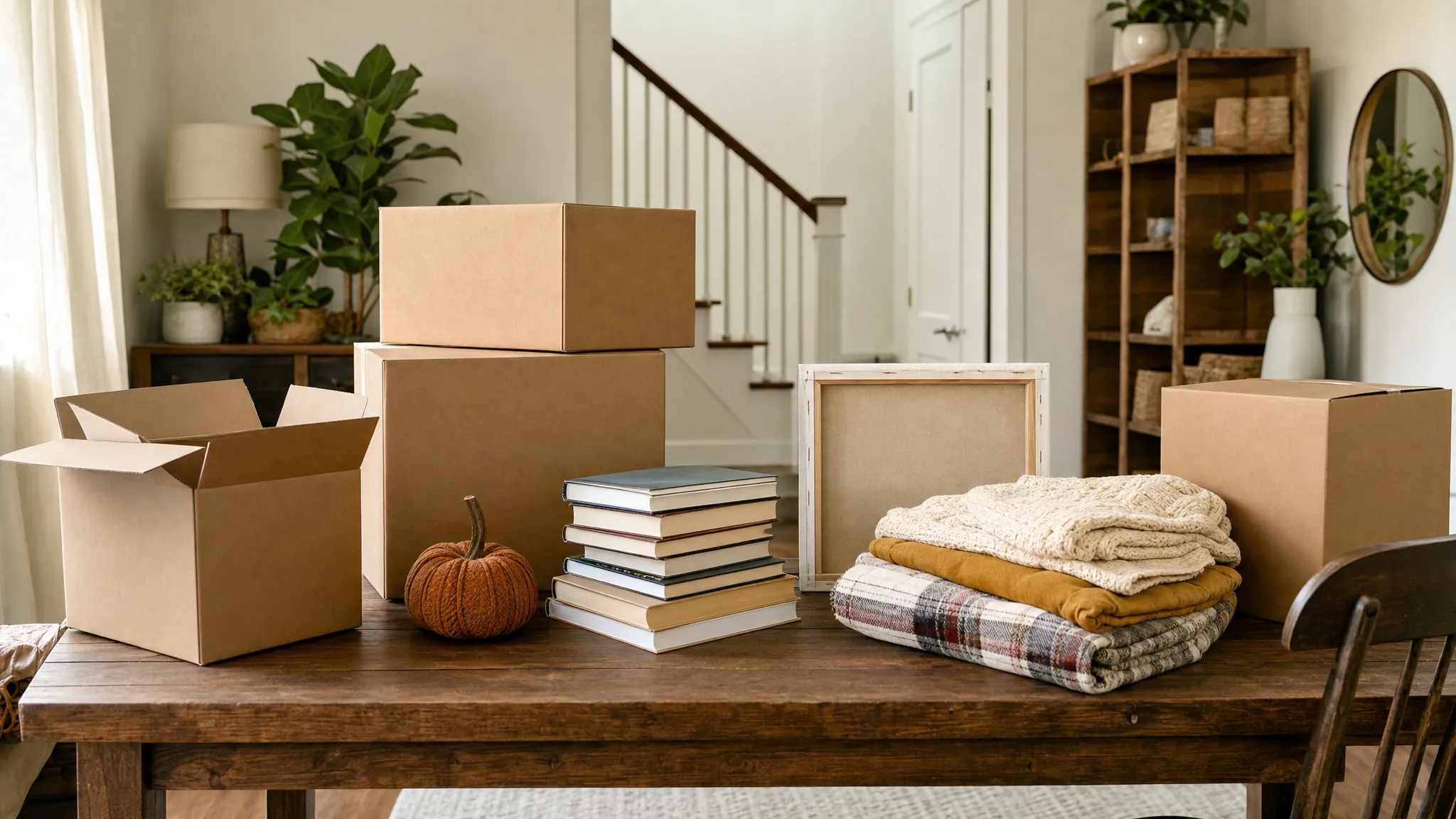
Good first targets include holiday decor, seasonal clothing, books, spare bedding, old files, hobby supplies, framed art, extra kitchen tools, and storage shelves. A finished shelf or closet gives you a useful win early, and it starts to reveal how much work is really ahead. It also creates open space where completed boxes can wait without blocking the kitchen table or a hallway.
Set a small, realistic goal for the first session. One drawer, one shelf, or one box is enough. Starting small matters because the first session should prove that the process works. You can build speed later. The goal today is simply to get moving.
2. Make decisions before you start filling boxes
Every item you pack has to be carried, loaded, unloaded, and put away again. That is why sorting first is not wasted time. It is the part that keeps you from paying to move things you no longer want, need, or have room for. Use four simple groups: keep, donate, recycle, and discard. Add a fifth group only when it helps, such as sell or move separately.
Work through one contained area at a time. Pick up an item, decide which group it belongs in, and move on. Avoid making several large piles in different rooms. A donation box by the door and a trash bag for obvious discards are usually enough at the beginning. Sentimental belongings can be difficult, so give yourself a limit. Choose a small container for keepsakes, save the deeper decisions for a quiet day, and keep making progress on the items that are easy to decide.
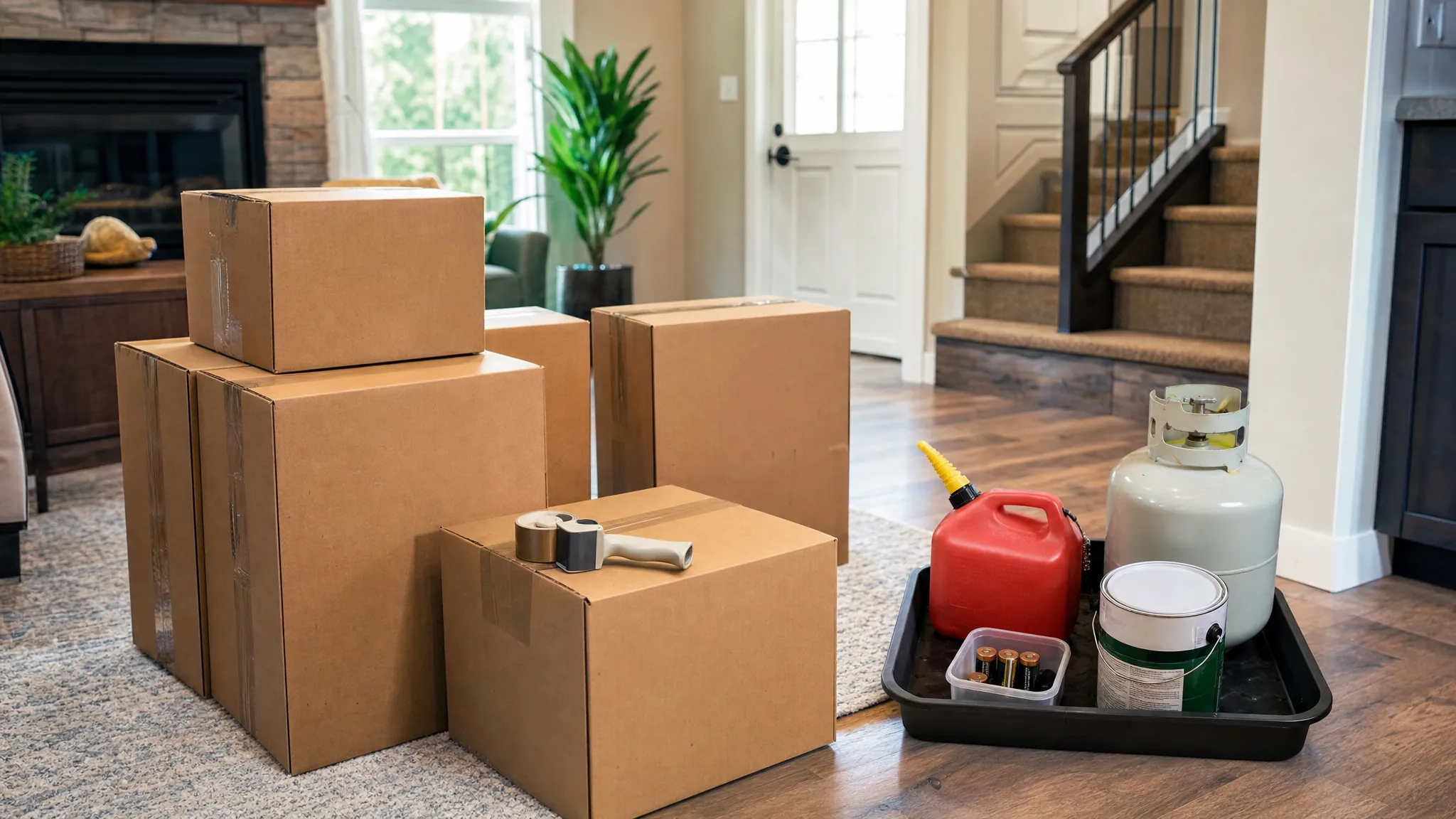
Some belongings need a separate plan from the beginning. Medications, important documents, keys, jewelry, laptops, and similar essentials should stay with you. Household products, perishables, and other items that may need special handling belong on a separate list. Our guide to what not to pack when moving can help you identify those items before they disappear into an ordinary box.
3. Set up one packing station and one box area
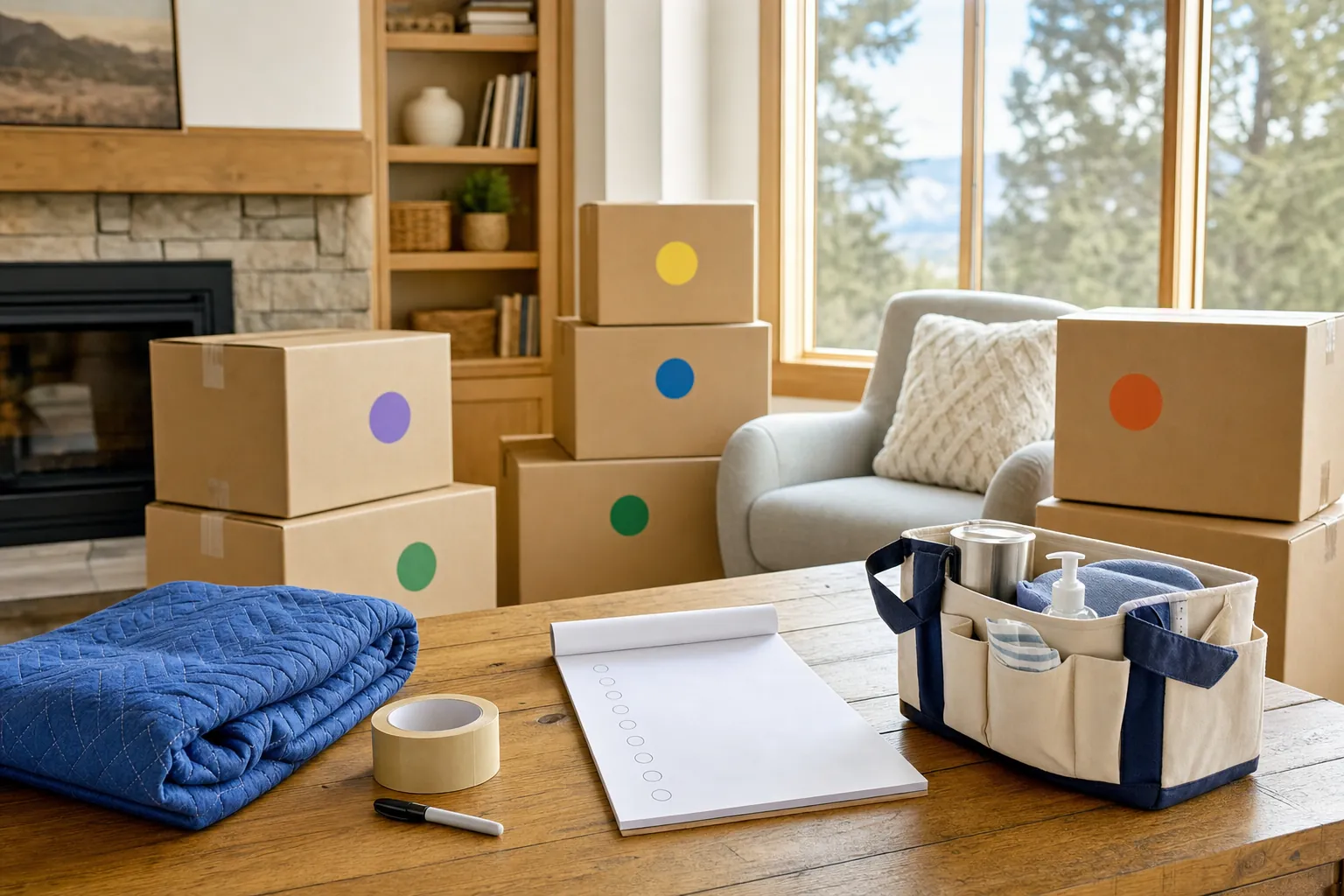
Before you pack a full room, give the supplies a permanent home. A clear dining-room corner, guest room, or section of the garage works well. Keep your boxes, tape, marker, packing paper, labels, scissors, and a small trash bag together. When the supplies stay in one place, you do not lose momentum looking for tape or opening a half-packed box to find the marker.
Choose a separate place for completed boxes. Keep it out of main walkways and close enough to the exit that movers can reach it easily later. Completed boxes should not migrate from room to room as you work. A single staging area keeps the house functional and lets you see what is finished without turning every floor into an obstacle course.
- Use small boxes for books, tools, canned goods, and other heavy items.
- Use medium boxes for most household belongings, kitchen items, and closet contents.
- Use large boxes for lightweight items such as pillows, linens, lampshades, and bulky coats.
- Keep boxes light enough that a person can carry them safely and the bottom stays supported.
- Write the destination room and a short contents note on at least two sides of every box.
Do not wait to make your labeling system until the truck is arriving. “Kitchen” is a start, but “Kitchen, baking pans and mixer” saves time later. Use the same names for rooms that you will use in the new home, and mark the boxes that should be opened first.
4. Start with low-use rooms, then work toward daily life
A useful packing order keeps your home livable while steadily reducing the work. Start with the least-used spaces and belongings, then move toward the rooms your household uses every day. This protects your routine and leaves more time for the decisions that tend to take longer.
Start first
Pack storage areas, decor, off-season clothes, guest-room items, books, spare linens, wall art, extra furniture, and hobby supplies. These items create the most visible progress with the least disruption. If you need more detailed help choosing the next room, use our room-by-room packing order.
Pack next
Move to duplicate kitchen items, specialty appliances, most of the pantry, extra toiletries, archived papers, wall decor, and rooms that can be partly closed off. At this stage, take time with the kitchen, garage, home office, and children's rooms. They hold a mix of things, which is why they usually take longer than a simple closet.
Save for last
Keep daily clothing, basic cookware, toiletries, medications, chargers, work and school supplies, pet supplies, bedding, and first-night essentials accessible. Packing those too early makes every ordinary day harder and is one of the fastest ways to lose track of what you still need.
5. Give the difficult rooms their own plan
Do not treat the kitchen, garage, home office, and storage unit like a quick final task. These spaces tend to hide the most decisions, the heaviest boxes, and the items that need special handling. Put them on your calendar as separate projects, even if you only work on one shelf or cabinet at a time.
Kitchen
Start with serving dishes, specialty appliances, extra mugs, cookbooks, and pantry items you will not use before the move. Keep out only the basics for simple meals. Wrap glass and dishes individually, fill empty spaces so contents cannot shift, and keep the finished box at a safe weight. Use up refrigerator and freezer food as moving day gets closer instead of creating a last-minute cooler problem.
Garage and storage
Sort before buying boxes for this area. Group hand tools together, use small sturdy boxes for hardware, and make a note of large equipment or furniture that may need special care. Set aside donation and recycling items first. Anything unusual, heavy, or hard to carry is worth mentioning before moving day so the team can plan the right route and equipment.
Home office
Pack older files, reference books, spare supplies, and decor before touching active work. Keep current documents, chargers, a laptop, and anything you will need during the final week together in a clearly marked bag or box that stays with you. A few minutes of organization here can prevent a workday from becoming a search through ten identical cartons.
6. Build a moving-day essentials tote early
Make one tote, suitcase, or sturdy box that does not get treated like a normal moving box. This is for the items you need while moving and during the first night, not for everything valuable in the home. Keep it in your vehicle or make sure it is loaded last and unloaded first.
- Keys, identification, important documents, medications, glasses, and jewelry.
- Phone chargers, a power strip, basic toiletries, toilet paper, and paper towels.
- Water, snacks, pet supplies, and a few disposable plates or cups.
- A clean towel, bedding, pajamas, and a change of clothes for each person.
- A small tool kit, trash bags, and basic cleaning supplies.
Start this tote early and add to it as you think of things. The moment you label it, the move stops feeling like every item has the same urgency. You have a clear home for the things that matter most, and you are much less likely to search for a toothbrush or charger after the truck is empty.
7. Put the move details on one simple list
Packing is only one part of getting ready. Make a short list for the tasks that will not fit in a box: parking, building rules, elevator reservations, utility timing, key pickup, access codes, pet care, and the address changes you need to make. Keep the list somewhere you will see it, not in a notebook that gets packed during the first weekend.
The USPS mail-forwarding service lets you arrange mail forwarding before your move. Take care of it early, then work through the accounts and services that need the new address. Doing these small tasks before the final week makes the actual moving day feel much less crowded.
If your date is already close, use the same order but reduce the size of each project. Focus on low-use items first, pack the rooms you can close off, and leave a clear path for the essentials. Our moving packing checklist gives you a practical sequence for the rest of the work.
8. Bring in help before the hard rooms take over
You do not have to choose between doing every part of the move yourself and handing over the entire job. The most useful help is often focused on the rooms or items that are hardest to fit around work, family, or a short timeline. Kitchens, garages, fragile belongings, large furniture, and full homes can add up quickly, especially when the move date is fixed.
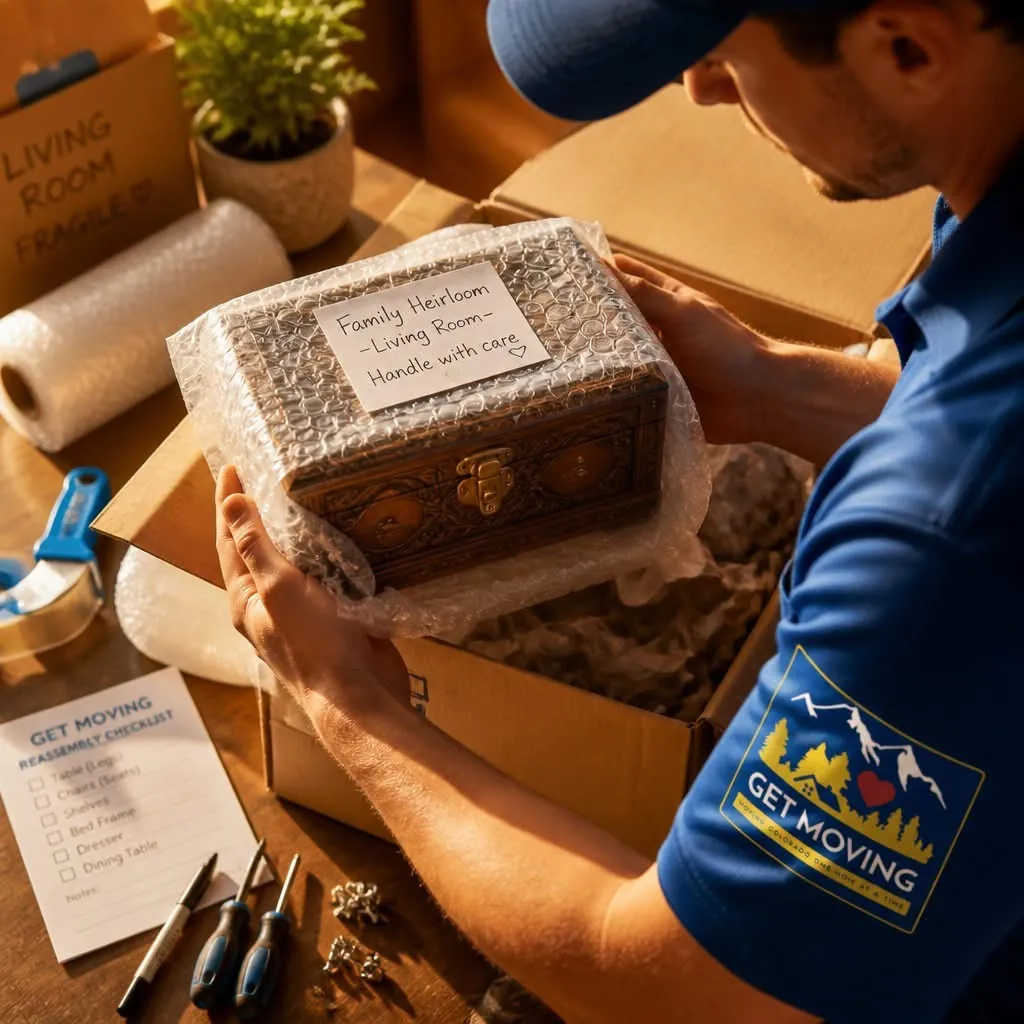
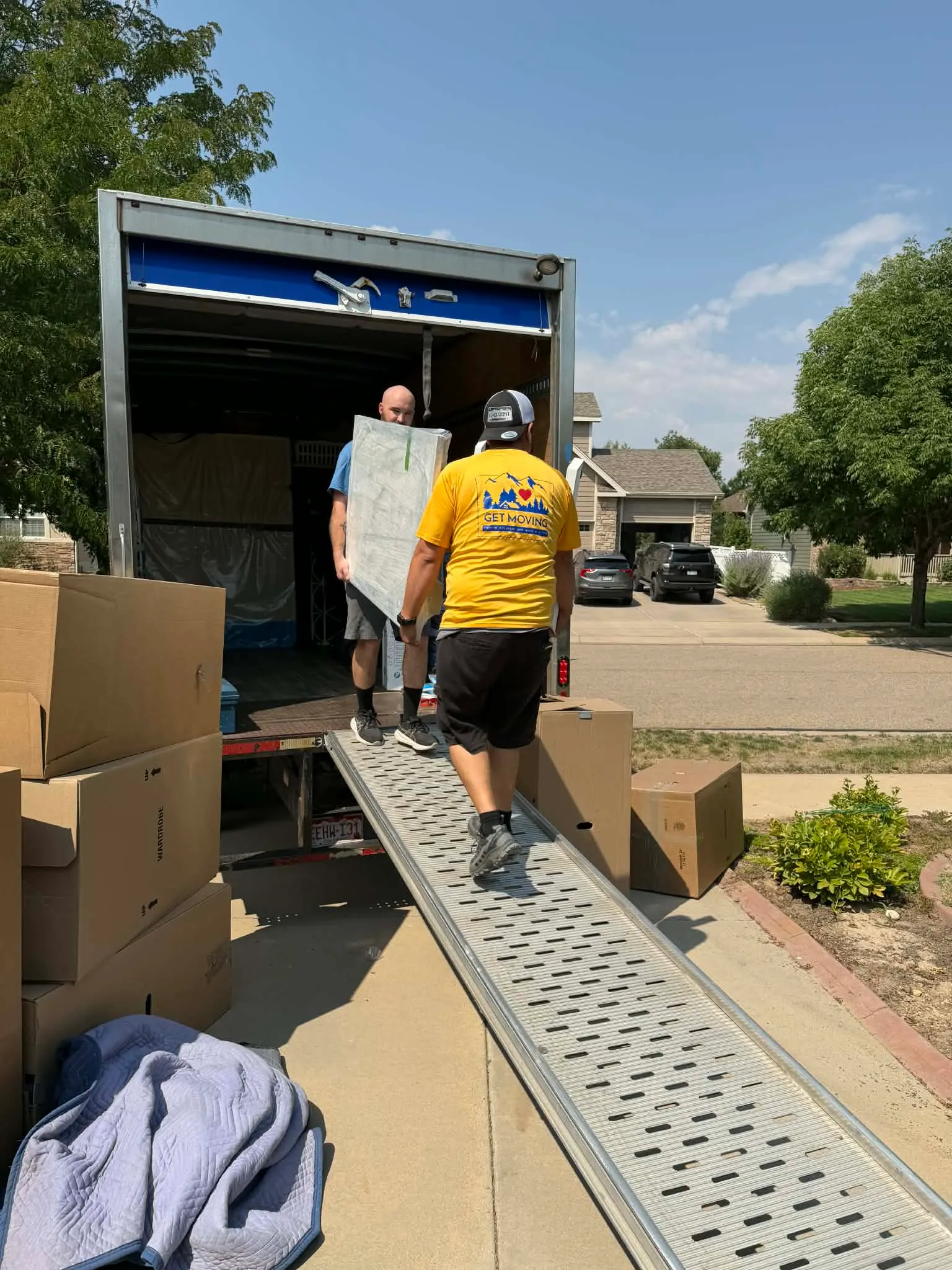
Get Moving offers full and partial packing help for the whole home, selected rooms, and delicate belongings that need more care. When you are ready for moving day, the local residential moving crew can handle the loading, transport, and unloading. If you already have a rental truck, portable container, or storage unit, loading and unloading help can cover the physical work.
Start with a free estimate request and share your date, the rooms that still need attention, and any access details that matter. A clear plan can be as simple as help with the hard rooms, a few extra hands for loading, or full support from packing through unloading.
Frequently asked questions
What should I pack first when I am moving?
Start with storage areas, seasonal belongings, decor, books, guest-room items, spare linens, and other things your household will not need before moving day. This creates space and progress without taking away the items you use every day.
How do I start packing when I feel overwhelmed?
Do not begin by opening boxes throughout the home. Choose one small area, such as one closet shelf or one cabinet, and make a simple keep, donate, recycle, and discard decision for each item. Finish that area before moving to the next one.
How early should I begin packing for a move?
Begin as soon as the move is certain, especially when you have a garage, storage space, a larger home, or a busy schedule. A six-week plan works well for many moves, but even a short timeline becomes easier when you begin with low-use items.
Should I pack room by room or by category?
For the first stage, use whichever approach makes decisions easier. A closet, a shelf, or a category such as books can be a good starting point. Once you are packing everyday rooms, labeling boxes by destination room makes loading and unpacking much clearer.