Moving becomes stressful when every task feels equally urgent. Boxes need to be packed, keys need to change hands, the new place needs to be ready, and ordinary life still has to happen in the middle of it. The best way to prepare for a move is to put the work in order. Make the big decisions first, give every smaller task a home, and leave yourself enough room to handle the surprises that always show up near moving day.
This guide covers the preparation that happens before the truck is loaded. It is built for a local household move, whether you are doing most of the packing yourself or bringing in help for the hard parts. Use the sections in order when you have time, or start with the checklist that matches how close your moving date is.
1. Confirm the move before you start packing
Before you buy supplies or empty a closet, make a one-page move plan. Write down your moving date, both addresses, the earliest time work can begin, and the contact information for anyone who needs to be involved. That can include your landlord, property manager, Realtor, building manager, storage facility, or the person handling key pickup.
Next, look for the details that can change the schedule. Apartment buildings may require an elevator reservation, a certificate of insurance, a loading-zone booking, or a certain time window. A home may have a narrow driveway, a steep walk, construction nearby, or a neighborhood where parking gets tight. The new place may have stairs, a gate code, a long carry from the street, or a room that needs to be cleared before furniture goes in.
Put those notes in one place and share the important ones early. They are not small details on moving day. They decide how the crew can reach the home, how long the work takes, and what equipment makes the move safer. When you request a free estimate, include the addresses, date, access notes, and anything unusually heavy, fragile, or awkward to move.
2. Decide what help you actually need
Not every move needs the same level of support. Some households want a full crew for packing, loading, transportation, unloading, and furniture placement. Others have a rental truck or portable container and need capable hands for the lifting. The useful question is not whether you can do every task yourself. It is which tasks are likely to create the most pressure, risk, or last-minute scrambling.
Walk room by room and make a quick list of the work. Include large furniture, fragile items, beds that need disassembly, a garage or storage unit, stairs, elevators, and anything you will not have time to finish before the date. Then decide whether you need full or partial packing help, a local moving crew, or loading and unloading help for a truck, POD, or storage unit.
A clear list also keeps the estimate conversation useful. A mover can plan better when they know the scope of the job, the access at both homes, and whether you want help with the whole move or only selected rooms. That preparation makes it easier to get the right crew and avoid trying to solve the hardest part while everyone is standing in the driveway.
3. Build a simple moving calendar
A moving calendar does not need to be complicated. It should show what has to happen before the final week, what needs to be done in the last few days, and what belongs only on moving day. Start by adding firm appointments: your estimate, building reservation, utility start or stop date, lease end, key pickup, cleaning, storage access, and the time you need to leave work or arrange care for children and pets.
Then give yourself smaller deadlines. Schedule the garage or storage area first. Set one day for paperwork and address changes. Reserve a separate block for the kitchen, home office, and anything sentimental. When the work appears on a real date instead of an endless mental list, it becomes easier to see what is possible and where you need help.
For packing, work backward from the move date. Start with low-use belongings and rooms that can be partly closed off, then move toward daily life. Our guide on when to start packing gives a realistic timeline, while the first-day packing plan is useful when the hardest part is simply getting started.
4. Sort before you pack
Moving is one of the few times you handle nearly everything you own. That makes it the right moment to decide what deserves space in the new home. Sorting first keeps you from paying to carry items that are broken, outgrown, duplicated, or no longer useful. It also leaves you with fewer boxes to label, load, unload, and unpack.
Use four groups: keep, donate, recycle, and discard. Work through one contained space at a time so the decisions do not turn into piles across the house. A shelf, drawer, closet, cabinet, or small section of the garage is enough. Keep a donation box close to the door and a bag for obvious trash. If you plan to sell something, set a short deadline. Anything still sitting there near moving day should not become a new task you have to carry into the next home.
Save sentimental items for a focused session, not the middle of a busy packing night. Those decisions take more time. When you hit something difficult, set it aside in one labeled box and continue with the items that are easy to decide. Steady progress is more valuable than finishing every emotional decision in one sitting.
5. Handle paperwork, mail, and address changes early
Paperwork is easy to lose track of because it does not look like moving work. Keep a folder or small tote for your lease, closing documents, moving estimate, receipts, school or medical records you need, storage paperwork, and any building instructions. Do not pack it in a box that could end up at the back of the truck. Bring it with you, along with keys, identification, medications, and valuables.
Make a short list of accounts that need the new address. Start with the places that affect mail, insurance, banking, work, schools, and subscriptions. The USPS change-of-address service lets you set up mail forwarding before the move. Colorado residents can also update a driver license or vehicle address through the Colorado DMV address-change page.
Do not try to remember every account at once. Keep the list where you are handling move tasks, then add to it when mail arrives or you use a service that needs the new address. The goal is not perfect paperwork on day one. It is avoiding the avoidable scramble of trying to find a document or a login while the move is already underway.
6. Prepare the old home for an efficient move-out
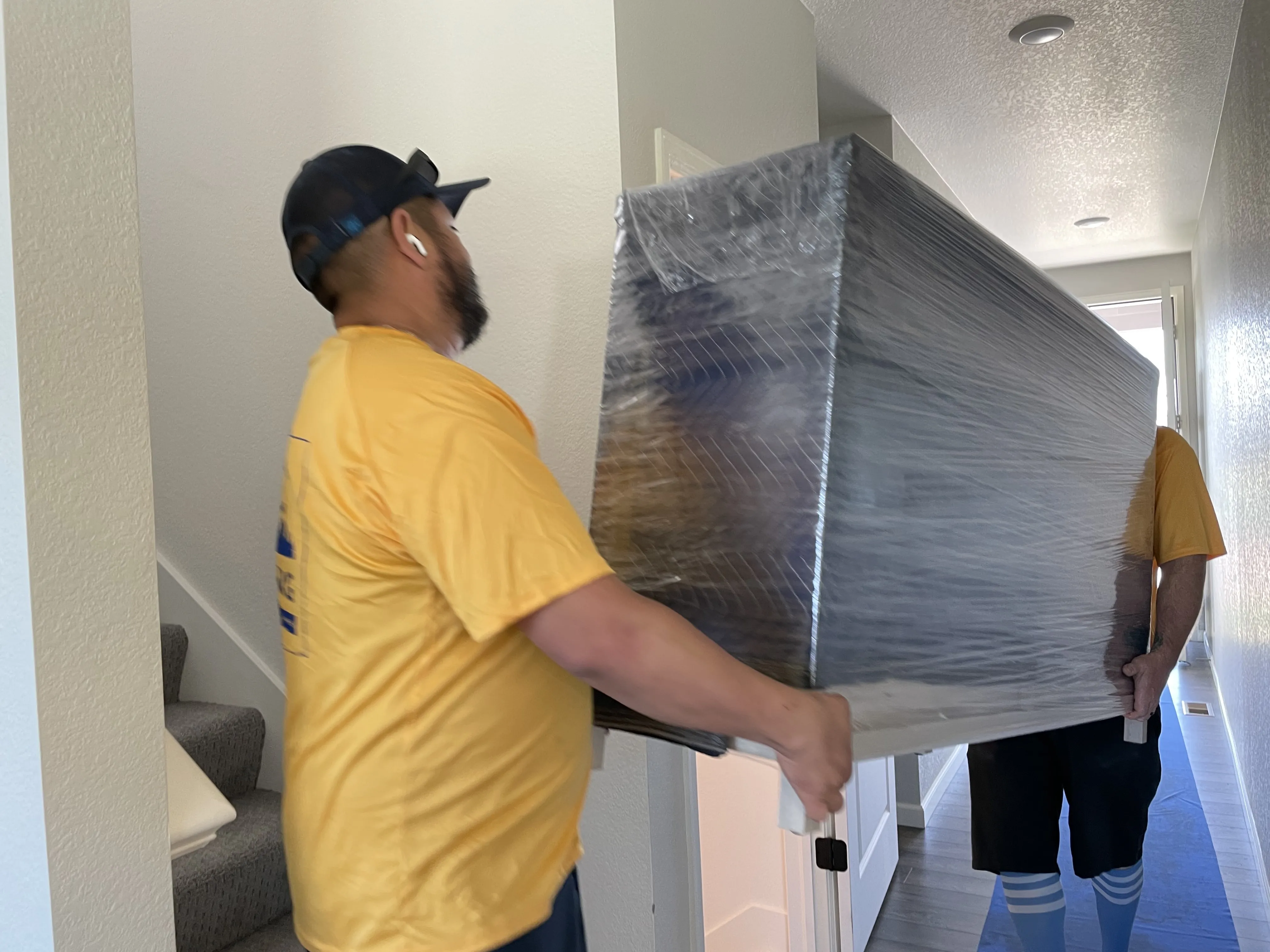
As the date gets closer, make the home easy to work in. Keep finished boxes in one staging area, away from main walkways and doors. Clear the path from the largest rooms to the exit. Remove loose rugs, cords, or low furniture that can catch a foot or make it harder to carry a bulky item safely. If a doorway, stairwell, or elevator is a tight fit, measure it before moving day rather than discovering the problem with a sofa in the hall.
Label boxes by destination room and include a short contents note on at least two sides. “Kitchen” helps, but “Kitchen, baking pans and mixer” is much better when you need one item quickly after the move. Keep boxes at a manageable weight. Use small boxes for books, tools, canned goods, and other dense items. Use larger boxes for pillows, linens, and lightweight things that take up more space.
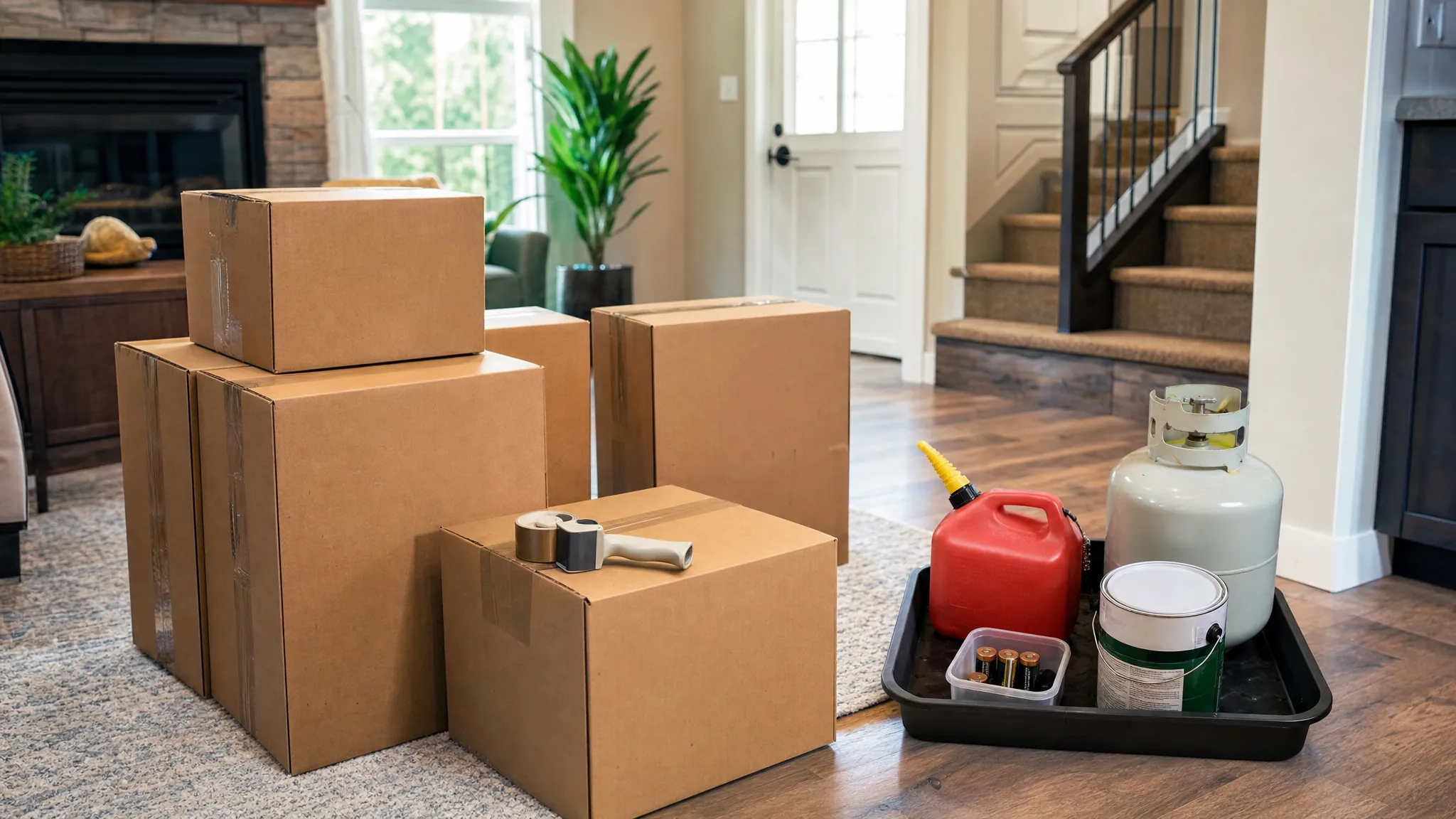
Set aside the items that should not be packed with ordinary household goods. Medications, important documents, keys, cash, jewelry, laptops, chargers, and irreplaceable keepsakes should stay with you. For other items that need special handling, use our guide to what not to pack when moving before they disappear into a sealed box.
7. Get the new home ready before the truck arrives
The first hour at the new home goes much better when the basics are already handled. Confirm how you will get in, where the truck can park, and which entrance is best for large furniture. If the property has a gate, elevator, loading dock, security desk, or shared driveway, make sure the right people know the moving time and have the information they need.
Walk through the rooms once they are empty, if you can. Decide where beds, major furniture, and the first important boxes should go. You do not need to map every lamp and bookshelf. You do need to know which rooms are bedrooms, which bathroom should be accessible first, where the kitchen boxes belong, and what furniture needs to be placed before smaller items fill the floor.
Keep cleaning supplies, paper towels, toilet paper, a basic tool kit, light bulbs, and trash bags easy to reach. Test the important things early: keys, garage opener, heating or cooling controls, water, lights, and appliances you plan to use that night. A few minutes of preparation gives you a usable home at the end of a long day instead of another list of urgent problems.
8. Pack a first-night essentials tote
A first-night tote is the box you should not have to search for. Pack it early, add to it as you think of things, and keep it in your vehicle or clearly separate from the moving load. This is not the place for every valuable item in the home. It is for the practical things that make the first night and next morning feel normal.
- Keys, identification, important documents, medications, glasses, and phone chargers.
- Toiletries, toilet paper, paper towels, towels, pajamas, and a change of clothes.
- Water, simple snacks, pet supplies, and disposable plates or cups.
- A flashlight, power strip, small tool kit, trash bags, and basic cleaning supplies.
- Sheets and bedding for the people who need to sleep first.
Think about the next morning too. Coffee supplies, a work laptop, school items, uniforms, and pet food are all easier to manage when they have a known place. The tote also gives you a calm answer whenever you wonder whether something important has been packed too soon.
9. Use a short moving-day checklist
By moving day, most of the preparation should already be finished. The final checklist is for keeping the day organized, not adding a full week of chores. Walk through each room before anyone leaves. Check closets, cabinets, drawers, the garage, outdoor areas, and any storage space. Take photos of the empty home when that is useful for a lease, sale, or your own records.
Keep the phone charged, make the addresses easy to find, and have the person making decisions available. Let the moving team know about any last details that affect access, fragile items, furniture placement, or the order in which rooms should be unloaded. If plans change, a clear update early is much easier to work with than a rushed conversation after the truck is loaded.
For a room-by-room packing refresher, use the moving packing checklist. The goal is a steady day with clear priorities, not a perfect day with no surprises. Good preparation gives you enough structure to handle the things that do not go exactly as planned.
10. Bring in a crew for the work that is hardest to fit around life
Preparing for a move does not mean you have to do all of it yourself. Many households are comfortable sorting and packing some rooms, but need help with large furniture, fragile belongings, a garage, a packed kitchen, stairs, or a move date that cannot move. Focused help can make the difference between a manageable plan and a last-minute rush.
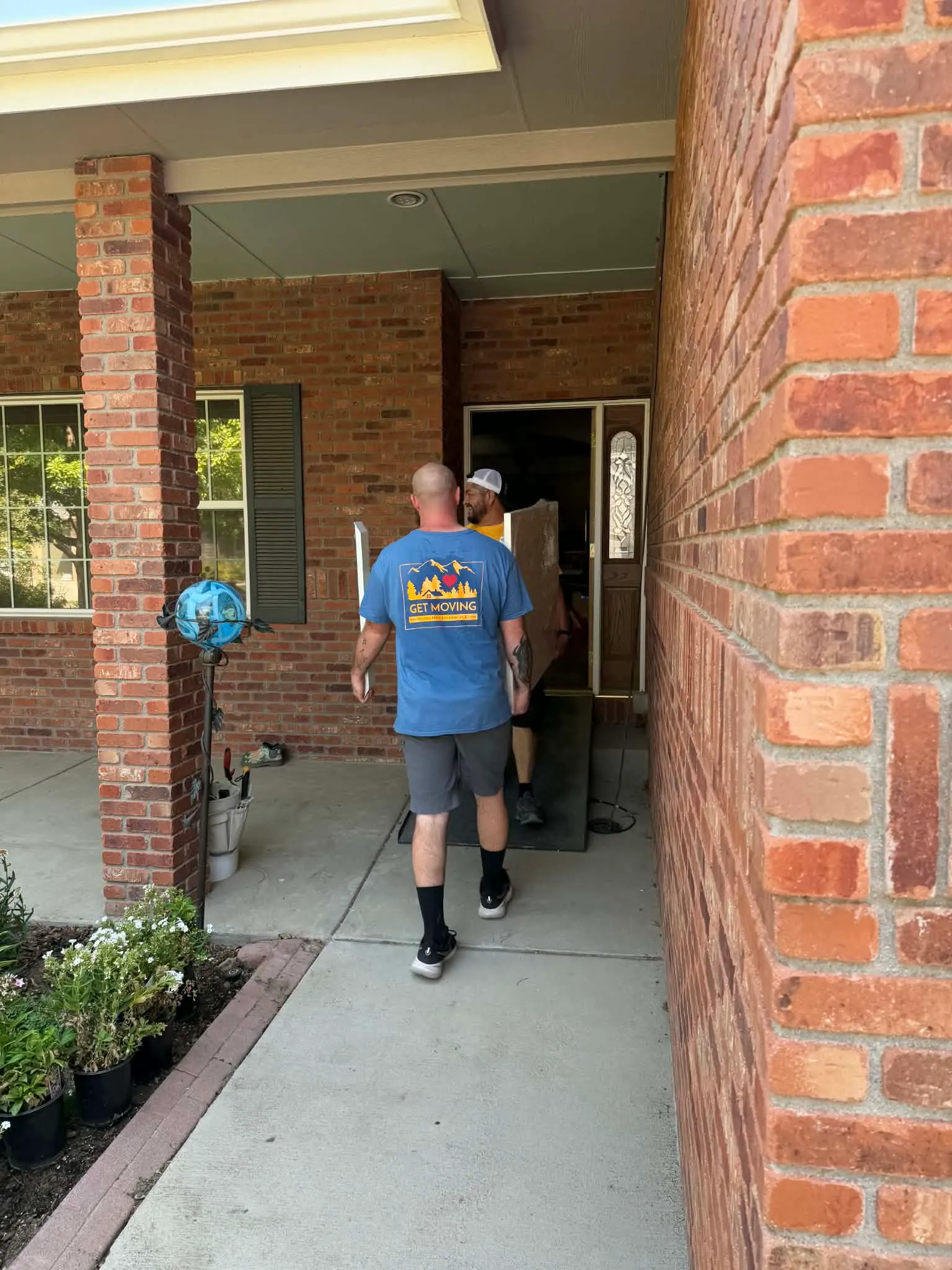
Get Moving brings more than 30 years of moving-industry experience to Northern Colorado households and businesses. The team can handle a full local move, selected-room packing, loading and unloading, storage-unit work, or the furniture that needs an experienced crew. You can keep the parts you want to do yourself and get support for the physical work that needs more hands, equipment, or careful planning.
When you are ready, send a free estimate request with your date, addresses, home access details, and the areas where you need help. The clearer that first conversation is, the easier it is to build a moving day that works for your home.
Frequently asked questions
What should I do first when preparing to move?
Start by confirming the moving date, making a list of the rooms and belongings involved, and choosing the level of help you need. Then handle the details that depend on the date, such as building reservations, time off, childcare, utilities, and a moving estimate. Packing is easier once those decisions are in place.
How far ahead should I prepare for a move?
More time is useful, especially for a larger home, storage unit, or apartment building with reservation rules. Start as soon as the move is certain. If your date is close, focus first on access, important documents, a plan for daily essentials, and the rooms you use least.
What should I keep with me during a move?
Keep identification, keys, medications, important documents, jewelry, chargers, a change of clothes, toiletries, pet supplies, and anything needed for the first night out of the moving boxes. Use one clearly marked tote or suitcase and keep it with you whenever possible.
Do I need an estimate before booking movers?
An estimate helps you explain the size of the move, the addresses, access details, special items, packing needs, and the kind of help you want. It also gives the moving team the information needed to plan the right crew, truck, equipment, and timing for your move.