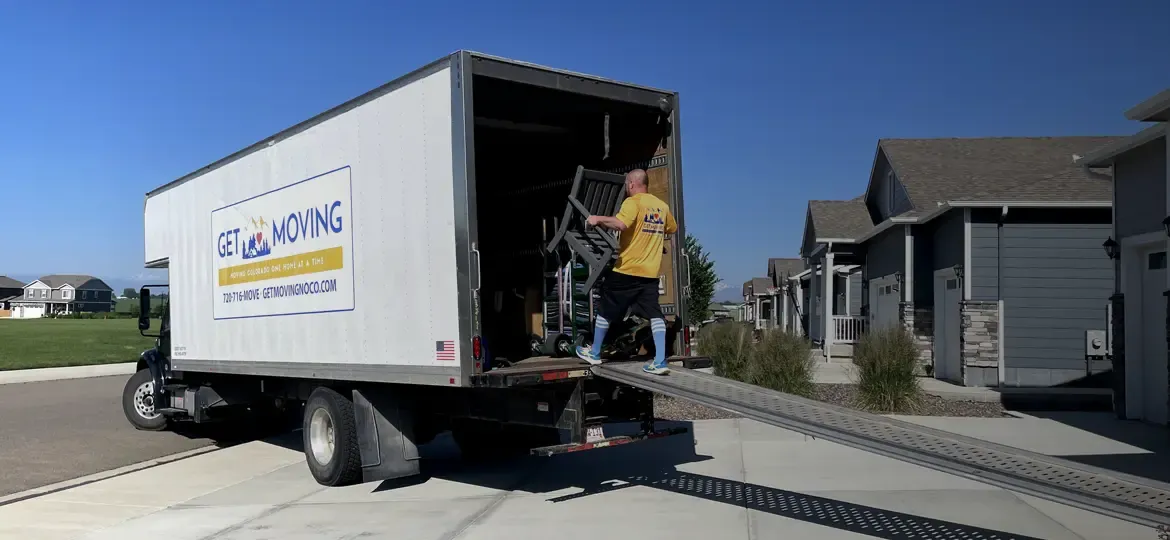
Moving from a storage unit to a house looks simple on a calendar: unlock the door, load the truck, unload at the new place. In practice, it can be one of the easiest moves to underestimate. A unit may hold furniture from every room, boxes with unclear labels, appliances, and belongings packed months earlier by someone who no longer remembers the order. A good plan turns that stored household into a home again without a frantic search for beds, cookware, or the box with the shower curtain.
1. Confirm the two access points before moving day
Start with the storage facility. Confirm its gate and building access hours, whether a reservation is needed for a loading area or elevator, the height limits for a moving truck, and where the truck may park. Ask about the exit procedure, too. Each facility has its own notice, cleaning, lock-removal, and billing rules, so the agreement and facility staff are the authority for your specific unit.
Then check the new house with the same care. Confirm when you can receive the keys, where the truck can park, which entrance has the easiest path, and whether a driveway, gate, stair, or tight turn changes the plan. Measure the large pieces that could create a problem, including mattresses, sectionals, refrigerators, and tall bookcases. It is much easier to decide on a different route before a heavy piece is halfway through a doorway.
2. Make a fast inventory before the first box moves
You do not need a perfect spreadsheet. Open the unit and make a quick phone list of the largest furniture, appliances, room-labeled boxes, and anything that must arrive first. Note fragile pieces, loose hardware, and boxes whose labels are too vague to trust. This gives you a loading plan and a useful description for a moving estimate.
Separate a small keep-with-you group before the truck is loaded. Put keys, closing papers or lease documents, medications, valuables, chargers, pet supplies, and a change of clothes in the car rather than the storage unit or truck. If a box is needed for the first night, mark it clearly and keep it accessible. That one decision prevents a long search after a physically demanding day.

3. Decide what needs to come out first
Think about the new house by function, not by the order the unit was packed. Beds, basic bedding, bathroom supplies, a few kitchen items, seating, and items for children or pets usually matter sooner than wall art, holiday decorations, or spare-room furniture. Give those priority pieces an easy path through the unit and load them where they can be reached without unloading half the truck.
Large furniture often has to come out in the order the storage layout allows. That is fine. The useful question is whether the essential pieces will be available before the end of the day. If the bed frames are behind a wall of boxes, plan a clear staging area at the house so you can unload them later without blocking the rooms people need first.
Public Storage’s storage-packing guidance recommends keeping an aisle and a simple unit map. Those habits still pay off when the unit is being emptied, because they help you retrieve a specific box without pulling everything into the driveway.
4. Empty the unit safely instead of racing the clock
Work from the front toward the back, from the top down, and one stable section at a time. Clear a landing space outside the unit before bringing out furniture or a stack of boxes. Avoid pulling items from the bottom of a leaning load, and do not try to catch a shifting stack. Make room, reset it, and continue only when the next piece can move under control.
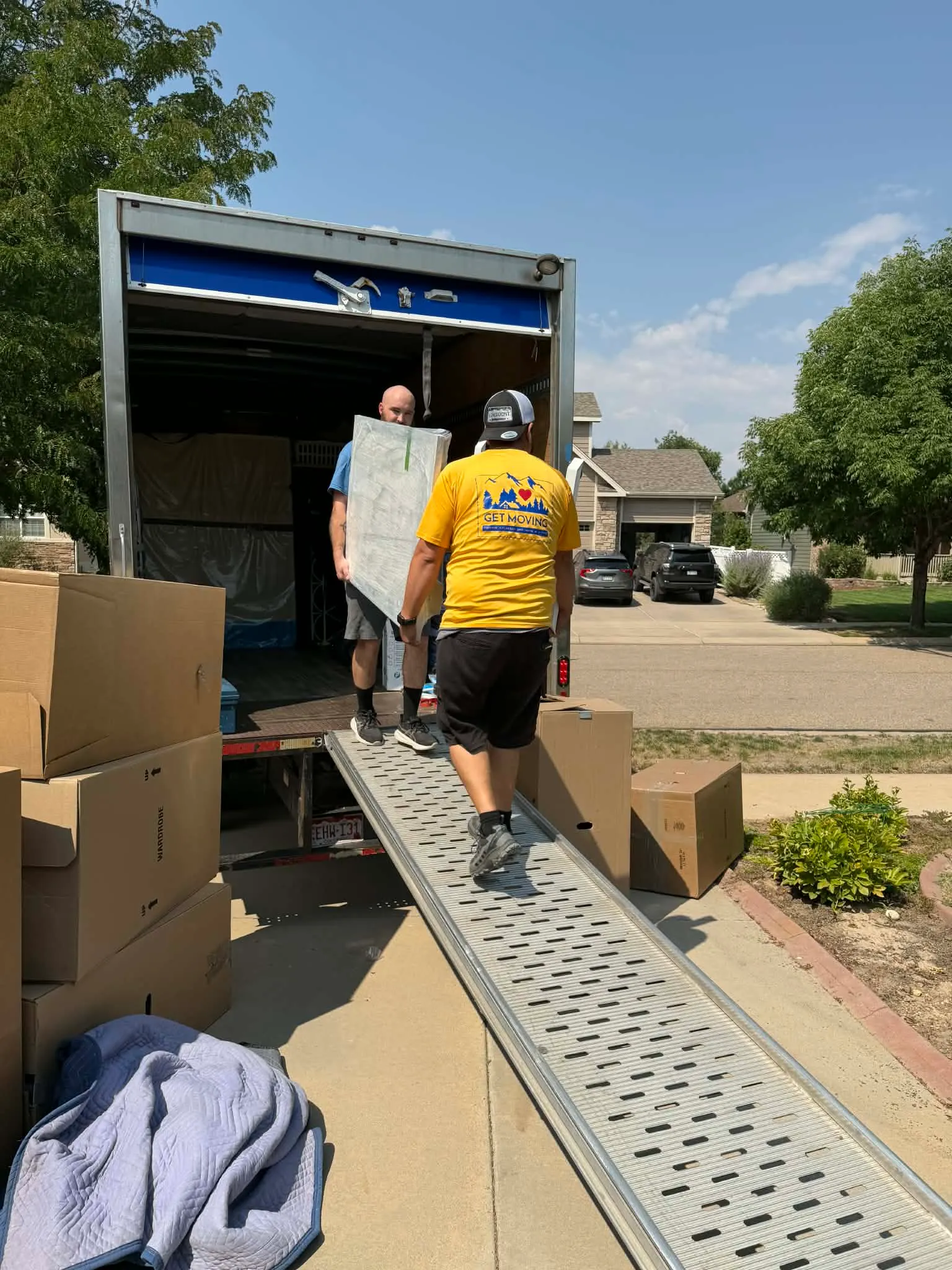
Use an appliance dolly, furniture pads, straps, and enough capable help for heavy or awkward pieces. Protect door frames, finished floors, and corners at the house before the truck arrives. A storage-to-home move can include pieces that have not been handled in months, so check for loose legs, opened cartons, or missing hardware as each item comes out. Take photos of existing damage if you need a clear record before transport.

5. Load the truck for the order you will unload
Put heavy, durable furniture in secure positions and use rated tie-down points to keep the load from shifting. Keep lighter and fragile items protected above or between stable pieces, not under them. The goal is a stable truck first, not a perfect room-by-room sequence that leaves furniture unsecured.
Within that safe load, make the destination work easier. Items for the farthest rooms and the rooms you want set up first should be accessible at the right point in the unload. Keep the first-night box, basic tools, hardware bags, and bedding where someone can reach them without unpacking the whole truck. If you are using a rental truck, review the route, truck size, and loading supplies before the day begins so you are not improvising after the unit is open.
Before the doors close, walk around the truck and look for the practical problems that are easy to miss when everyone is tired. Make sure furniture pads are staying in place, straps are attached to appropriate anchor points, and nothing loose can roll or slide into a fragile item. Keep tall furniture supported and do not rely on a stack of boxes to hold a large piece upright. If the load needs to be changed, change it while there is clear space around it. The few minutes spent securing the truck are usually far easier than dealing with a shifted load at the new house.
6. Give every major piece a destination
Walk through the house before unloading and decide where the beds, sofa, dining table, and major storage pieces will go. A simple note on a door or a quick floor plan is enough. It lets the people carrying heavy items place them once instead of moving the same dresser across the room after everyone is tired.
Clear the route inside the house and protect the floors where it makes sense. Keep boxes grouped by room, with labels facing outward. Do not fill a bedroom doorway with boxes before the bed is inside, and do not let the living room become the default drop zone for every item. A little discipline at the truck saves hours of reshuffling later.
If the house has more than one floor, choose a temporary staging spot for each level before the crew starts carrying. It is better to group upstairs boxes safely near the stairs than to create an obstacle in a hallway or block the room where a bed still needs to go. Keep walkways open until the largest pieces are placed.
7. Check appliances and furniture before settling in
Appliances need more than a place in the truck. Keep refrigerators and freezers upright whenever their manufacturer requires it, protect the finish, and give them the time their manual specifies before restarting. For a washer and dryer, confirm the utilities and any model-specific moving instructions before reconnection. Gas appliance disconnection and reconnection belong with a qualified professional, not a rushed moving-day workaround.
As beds, tables, and shelving go together, match the hardware bag to the furniture before opening random boxes. Keep tools, manuals, and leftover parts in one visible place until the main rooms are set up. That gives you a better chance of noticing a missing bracket or bolt while the truck and help are still available.
8. Close out the storage unit properly
Before you leave the facility, check every corner, shelf, and the top of the unit. Sweep or clean the space if the agreement requires it, remove your lock, and follow the facility’s move-out instructions. Public Storage, for example, says its customers should empty and clean the unit, remove the lock, and complete the move-out before the next rent due date to avoid another full monthly charge. Your facility may have different rules, so verify them directly.
Take a final photo of the empty unit and keep confirmation of the move-out. That is a small administrative step, but it is worth completing before attention shifts entirely to unpacking the new house.
9. When a storage-to-home move needs a crew
Professional moving help is especially useful when the unit holds a complete household, the route includes stairs or long carries, access is time-limited, or heavy furniture and appliances are involved. The advantage is not just lifting. An experienced crew can help plan the loading order, protect the home, secure the truck, and place the large pieces where they belong while you direct the priorities.
Get Moving helps Northern Colorado households move from storage units into homes, whether you need a complete move with the truck or focused help loading and unloading a rental truck or container. For a useful estimate, share the unit size, access details, major furniture and appliances, the new home’s stairs or parking situation, and which rooms need to be ready first.
Explore storage-unit moving services
How Get Moving can help
Get Moving can help with a full storage-to-home move or the part that needs more hands, including loading, unloading, heavy furniture, appliances, and careful placement in the new house. Share the unit size, access details, major items, and move priorities through the estimate request form so the crew can plan around the real work.
Frequently asked questions
What should I move first from a storage unit to a house?
Prioritize the items that make the first night workable: beds and bedding, bathroom supplies, basic kitchen items, seating, pet or child essentials, and the documents or tools you need. The exact truck order must still keep the load stable, so use a clear staging plan at the new house for anything that cannot come off first.
Can movers move furniture from a storage unit to a house?
Yes. Get Moving can move belongings from a storage unit to a house, including furniture, boxes, appliances, and the items that need careful placement. Share the unit size, facility access, major pieces, stairs, parking, and destination rooms when requesting an estimate.
Do I need to empty and clean a storage unit before moving out?
Most facilities require the unit to be empty, clean, and unlocked before move-out is complete, but the exact requirements and notice period depend on the facility agreement. Confirm the rules directly with your storage provider before moving day.
How do I keep boxes organized when moving out of storage?
Group boxes by destination room, keep labels facing out, and set aside a clearly marked first-night box. At the house, keep boxes out of doorways and unload the bed and other priority furniture before filling the room with cartons.