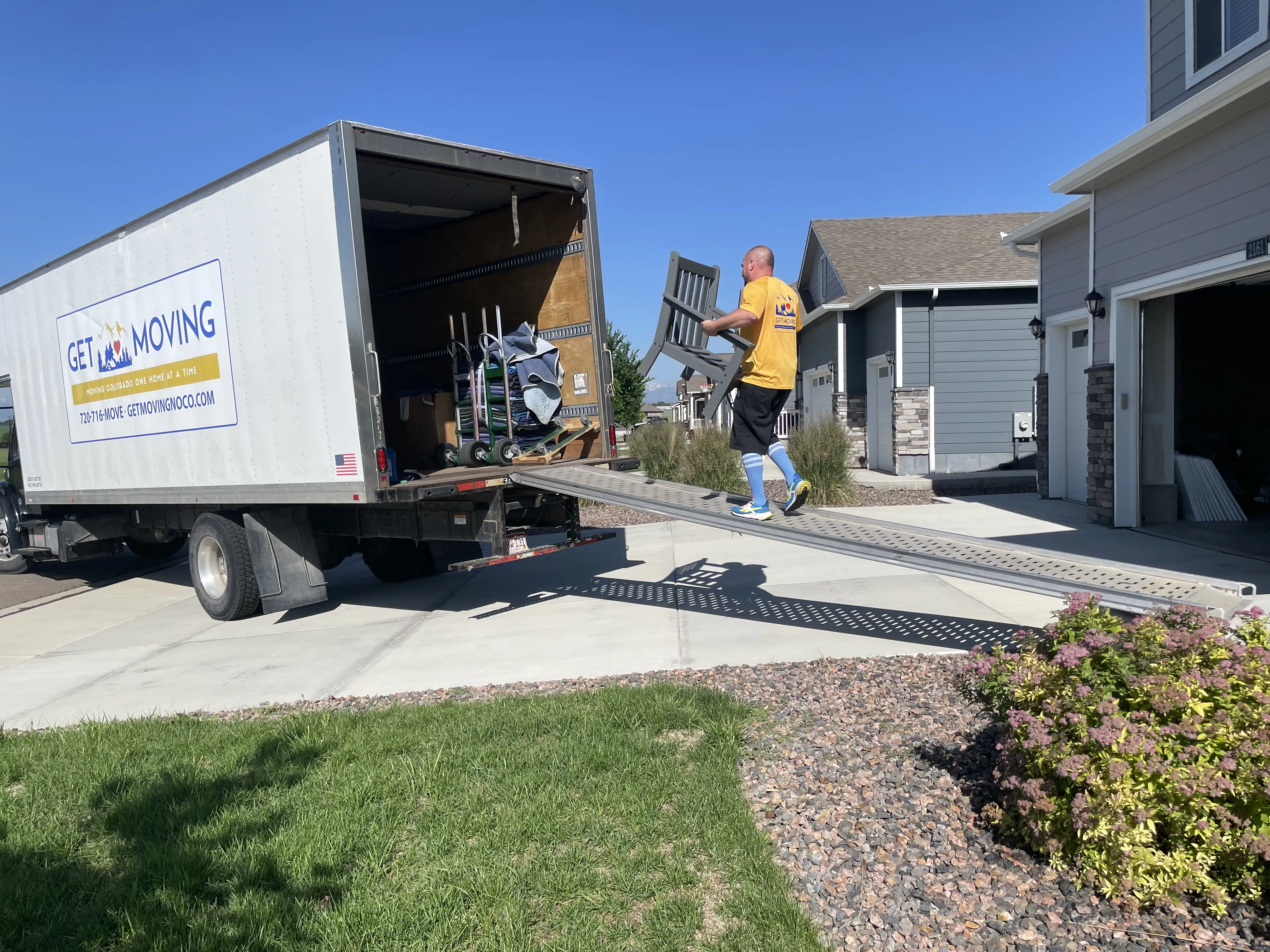
A couch can look like it will never clear a tight doorway, especially when the move is already underway and the hallway is full of boxes. Usually, the answer is not more force. It is a calmer plan: measure the true opening, remove the few parts that add bulk, protect the route, and change the couch’s angle before anyone starts lifting.
This guide is for a typical sofa, loveseat, sectional, or sleeper that must pass through a narrow interior or exterior door. It cannot tell you what every frame, stairway, or building will allow. If the couch is unusually heavy, the route includes stairs, or the piece starts to bind, stop and reassess. A damaged door frame or strained back is not worth winning an argument with a sofa.
Measure the opening before you lift
Measure the usable width of the doorway from the inside edges of the frame, not from one wall to the other. Then measure the couch’s height, depth, and width, including feet, loose cushions, and anything that sticks out. The first question is not whether the couch looks wider than the door. It is which dimension becomes the limiting dimension when the couch is tipped and turned.
Also measure the route on both sides of the door. A couch can clear the opening and still fail at a tight hallway turn, low ceiling, stair landing, railing, or parked vehicle. Mark the narrowest point and look for obstacles that steal clearance: a protruding lockset, thermostat, handrail, rug, shoe bench, or stacked boxes. Home Depot’s couch-moving guidance similarly starts with measuring the furniture and route before choosing an angle.
Do a dry run with the door fully open. Picture where each person will stand and where the couch’s leading corner will go first. If you cannot describe that route clearly before lifting, it is not ready yet.
Make the couch smaller only where it was designed to change
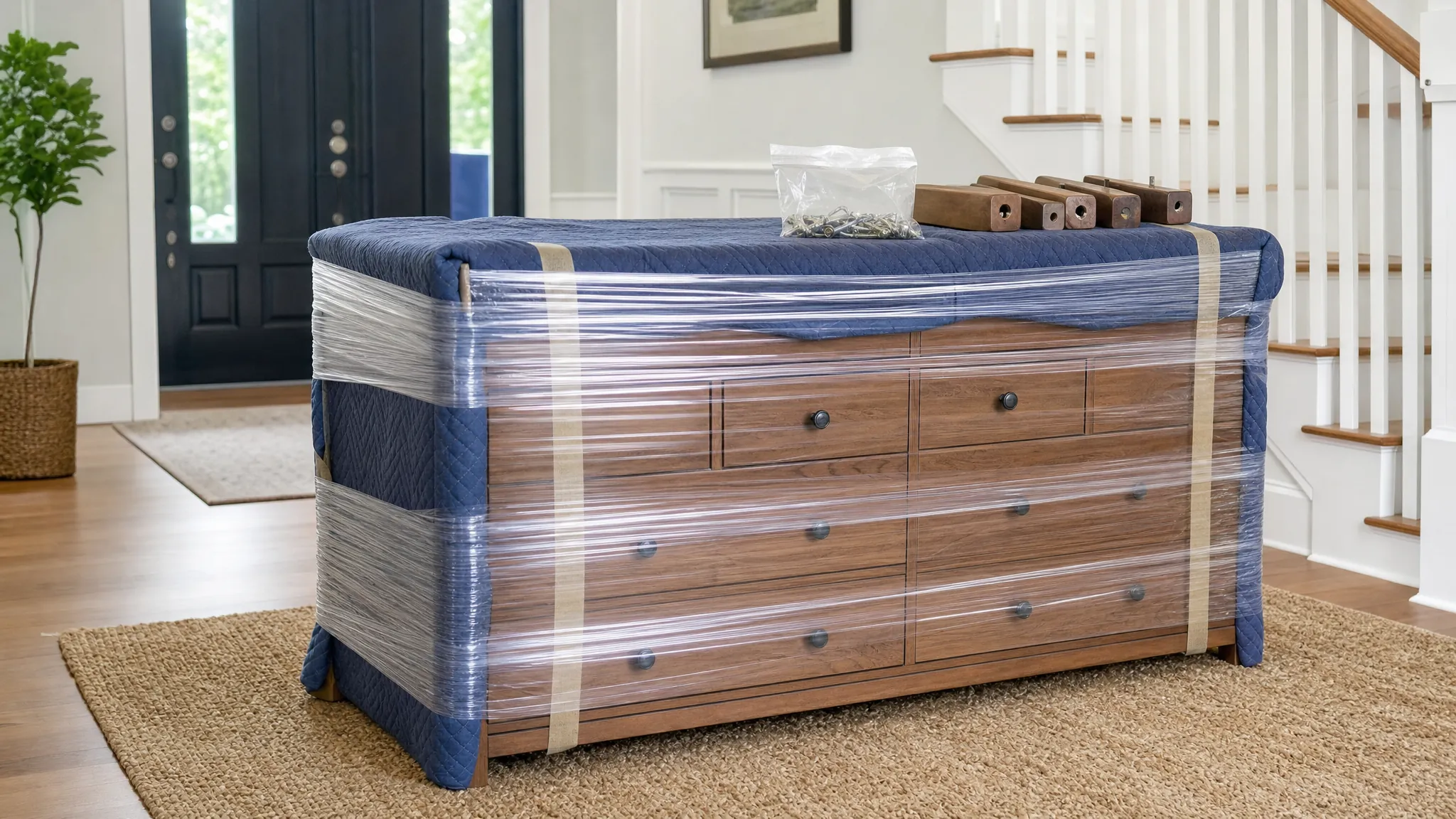
Remove loose cushions, throws, and detachable legs before the couch reaches the door. Cushions are easy to carry separately and can keep a helper from getting a clean grip. Removable legs are especially useful because they add clearance at exactly the points most likely to catch on trim or flooring.
For a sectional, find the connectors before moving it. Most pieces separate at clips or brackets underneath, but the exact method varies. For a sleeper sofa, secure the fold-out mechanism and follow the manufacturer’s instructions before removing anything. Keep screws and hardware in a labeled bag with the matching piece. Do not cut fabric, pry apart a fixed frame, or force a mechanism because the doorway is frustrating.
If the couch has delicate leather, exposed wood, or sharp feet, cover those areas with clean moving blankets. Avoid taping directly to finished surfaces. The blanket should protect the upholstery and the jamb without making the couch so slippery or bulky that it is harder to control.
Clear and protect the route
Move rugs, small furniture, pet bowls, wall art near corners, and anything that creates a trip hazard. Put floor protection down before the couch starts moving, especially on hardwood, tile, and newly finished floors. Protect the doorway and any sharp wall corner with padded blankets or corner guards if you have them.
Closed-toe shoes with good traction are more useful than trying to rush through a doorway in socks or loose sandals. Keep children and pets out of the route, and make one person responsible for saying “stop.” That person should be able to see the couch, the top corner, and the door frame. U-Haul’s moving-day safety checklist makes the same practical point: clear walkways, watch for tight corners and uneven surfaces, and get help when an item is difficult to control.
Keep the path clear all the way to the truck, room, or storage space. Solving the doorway only to set the couch down in a cluttered hall creates a second difficult lift.
Use the pivot, not brute force
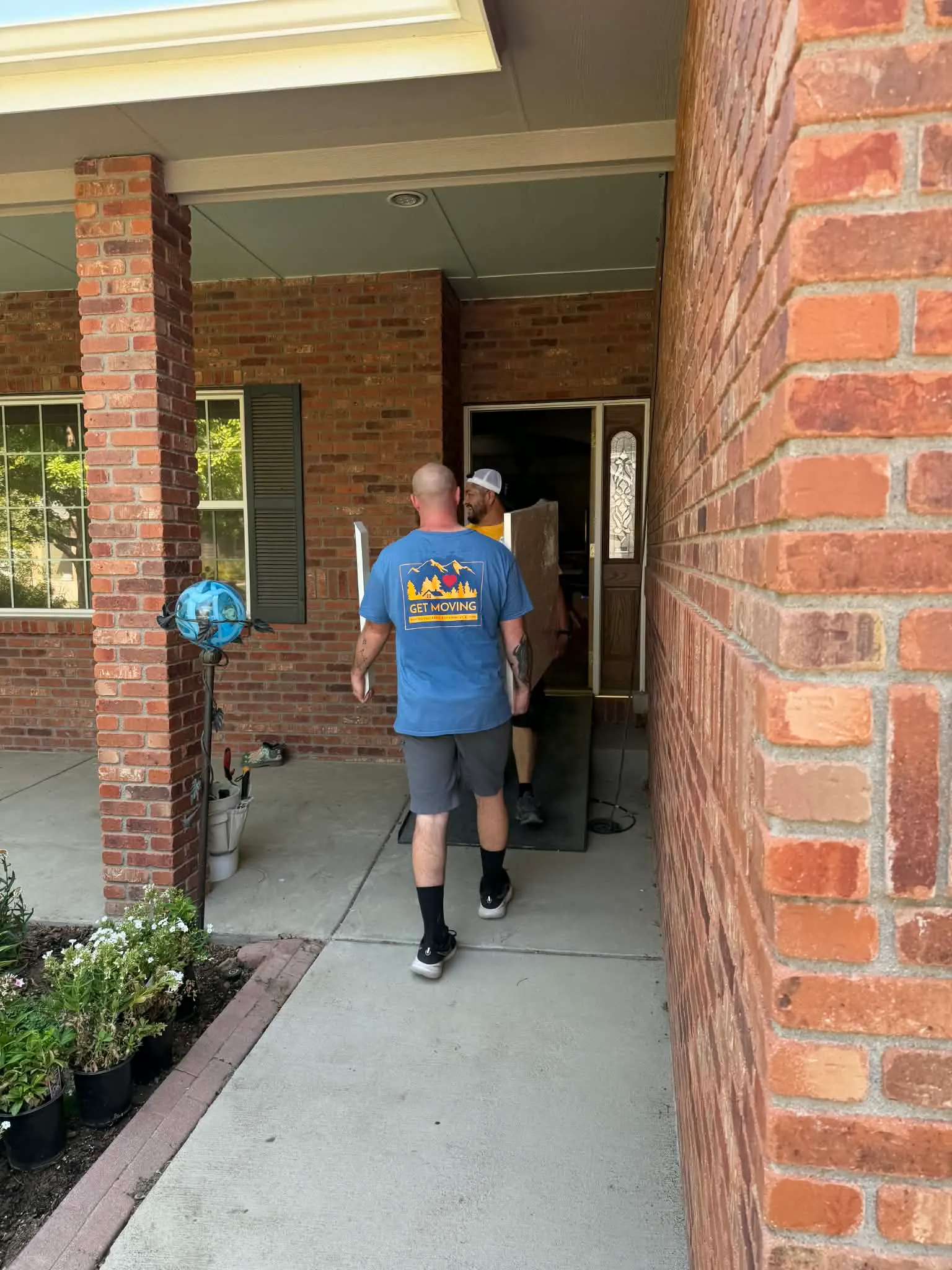
For many standard couches, the best approach is to stand the sofa on one end in an open area before the doorway. With the couch vertical or partly tipped, guide the lower leading corner into the opening first. Then rotate the couch gradually so it passes through on a diagonal rather than trying to travel flat and square to the frame.
One helper should guide the leading corner from the far side while another controls the weight and direction from the near side. Move in short increments. Pause after each small turn to check the top corner, the arm, the feet, and the trailing edge. A couch that catches is giving you information. Back it out a few inches, adjust the angle, and try again. Shoving harder usually changes a close fit into torn fabric, chipped paint, or pinched fingers.
Use clear, simple calls: stop, up, down, toward you, and away. Do not twist your torso while holding weight. Keep hands out of the narrow gap between the couch and the frame. When a piece is large enough that nobody can see both ends, slow communication matters more than moving quickly.
Choose equipment for the part of the route you are on
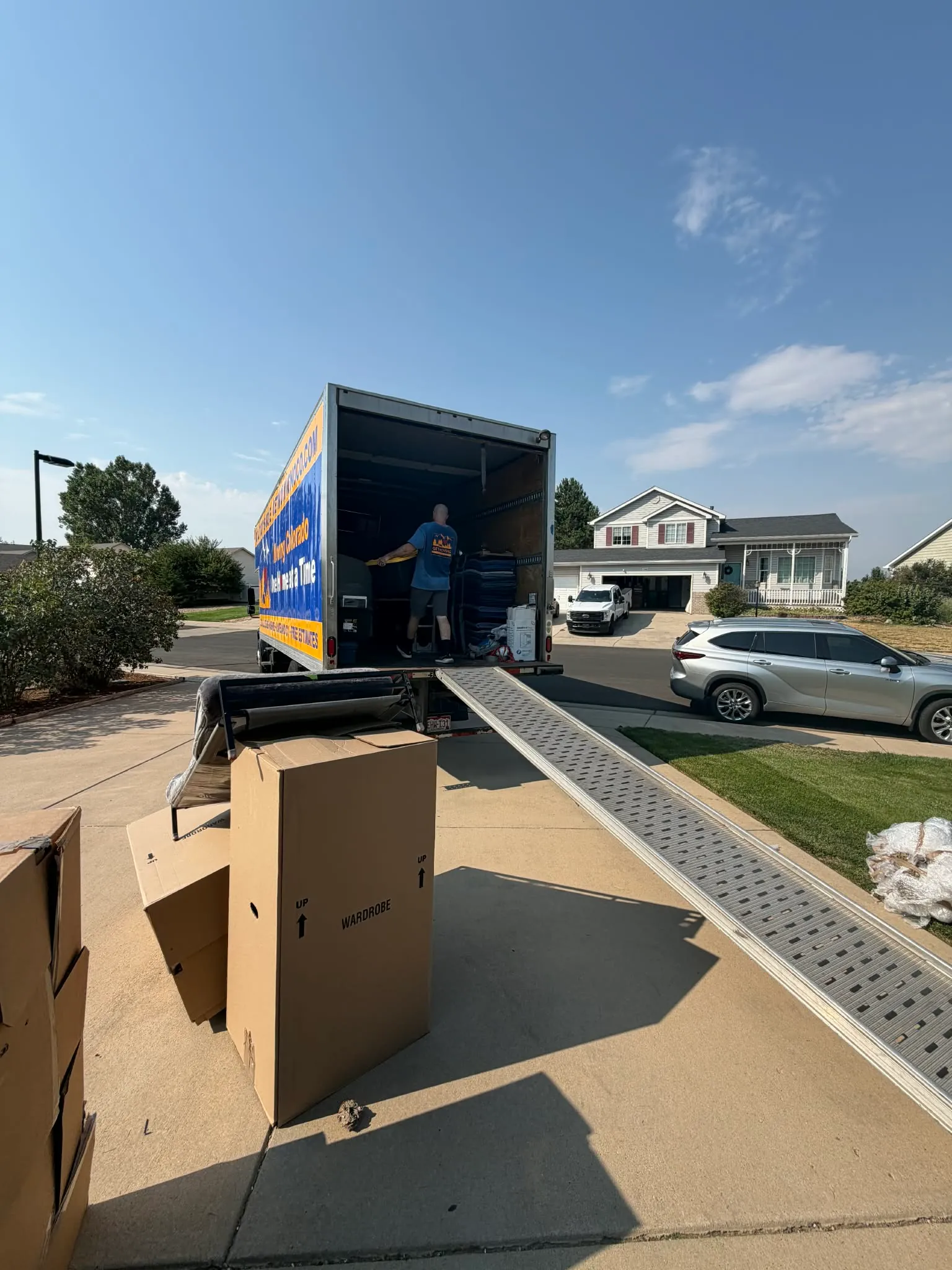
Equipment can make the flat parts of a move easier, but it does not turn a difficult doorway or staircase into a casual job. Furniture sliders can help move a couch across a clean, level floor when the flooring and couch feet allow it. Moving blankets protect fabric, corners, walls, and door frames. A flat furniture dolly can help with a long, level carry after the couch has cleared the tight point.
Use a dolly only where it can roll smoothly and where the couch can be secured. Do not try to steer a tall, unstable couch over a high threshold, down steps, or through a doorway while it is perched on a dolly. At the doorway, the people guiding the couch need a secure grip on the frame or approved carrying points, not a loose hold on cushions, arms, or a strap that could slide.
Moving straps can be useful only when everyone knows how to use them and has room to move in sync. They are not a reason to overload the people carrying. If the couch blocks a helper’s view, feels unbalanced, or needs a sudden twist to clear the door, set it down in a safe place and adjust the plan. The right equipment is there to reduce strain and protect the home, not to convince someone to continue an unsafe lift.
Use a stop point when the plan is no longer controlled
There is a difference between a couch that needs a small angle adjustment and one that is genuinely stuck. Stop when the frame is binding, a helper has to lift above shoulder height, someone cannot maintain footing, the route requires a blind push, or a door frame starts taking the load. Back the couch out to the last clear position before deciding what changes next.
Then work through the reasonable options in order: check the measurements again, remove loose cushions or removable legs, reposition the couch, remove the interior door if that is safe and appropriate, or separate a sectional as the manufacturer intended. If none of those solves the route, do not turn to destructive disassembly or an improvised balcony move. A professional crew can assess access, equipment, and whether another entrance or a different plan is realistic.
Know when removing the door may help
If the couch is close to fitting, removing an interior door from its hinges can make the opening easier to use. It also eliminates the door itself as something that swings into the work area. This is a sensible option only when the people handling it can remove, protect, and reinstall the door without damaging the hinges, trim, or hardware.
Taking off a door does not magically make a too-large couch fit. It will not solve a tight hallway turn, a low staircase, or a sofa that cannot clear the frame even at the best angle. Do not remove trim, door stops, or structural pieces as an improvised solution. If the couch still does not clear after the reasonable preparation steps, it is time to consider a different entry point, manufacturer-approved disassembly, or experienced help.
Stairs, sectionals, and sleeper sofas need a higher bar
A couch on stairs is a different job from a couch on a level threshold. Dollies and sliders may be useful on a flat floor, but they do not replace controlled carrying on steps. Sleepers are heavier and can shift internally. Large sectionals can have awkward, flexible shapes even after they come apart. A narrow apartment hall or shared stairwell adds other people, railings, and limited places to set the piece down.
For these situations, use more help than you think you need or arrange professional labor. Get Moving’s apartment and condo moving help is built around stairs, elevators, and shared access, while the team’s furniture-moving service is a good fit when one hard piece needs careful handling. If you already have the truck or container, loading and unloading help can keep the heavy work from falling to friends at the last minute.
Do a final safety check before the next leg
Once the couch clears the door, do not celebrate by letting it drop. Set it down only in a clear, stable spot. Check that the blanket is still secure, the legs and hardware are accounted for, and the route to the final room or truck is ready. If the couch is going into a truck, keep it padded and secured to a rated tie-down point rather than relying on surrounding boxes to hold it in place.
For a complete home move, tell the crew about the couch, narrow doors, stairs, and access notes when you request an estimate. That helps Get Moving plan the right crew and equipment alongside the rest of your household. For a single difficult piece, share the couch type, both addresses, measurements, photos of the tight point, and whether you need transport or only lifting help.
How Get Moving can help with the heavy work
Get Moving helps Northern Colorado households with complete residential moves, careful furniture handling, apartment moves, storage stops, and focused labor help. The team can plan around the access details that turn a simple couch move into a difficult one, while still keeping the rest of the household move organized. When you are ready, request a free moving estimate with the couch details and route notes.
A quick couch-and-doorway checklist
Before anyone lifts, confirm the clear doorway width, couch dimensions, nearby turns, floor condition, and final destination. Remove loose cushions and approved removable parts, protect the couch and frame, clear the path, and decide who gives the stop command. Have a place to set the couch down on each side of the door if you need to reset.
During the move, use a controlled pivot, keep fingers out of pinch points, and make only small adjustments at a time. After the couch clears, secure it for the next leg of the route instead of assuming the difficult part is over. That simple pause is often what keeps a heavy furniture move manageable from room to truck and from truck to the new home.
Frequently asked questions
How do you move a couch through a narrow door?
Measure the clear opening and the couch first, remove cushions and removable legs, protect the frame, then stand the couch on one end and guide it through at a controlled angle. Keep a helper on each side of the doorway and stop if the piece binds instead of forcing it.
Should I take the door off to move a couch?
Removing an interior door can create useful clearance when the couch is close to fitting, but it should be done only if you are comfortable safely removing and reinstalling it. It does not solve a couch that is clearly too large for the route, and the doorway, trim, and couch still need protection.
Can two people move a couch through a doorway?
Two capable people can manage some couches on a clear, level route, but weight, sleeper mechanisms, stairs, tight turns, and uneven ground can quickly make that unsafe. Add help or call a moving crew when the couch feels difficult to control.
What if a sectional will not fit through the door?
Check the manufacturer instructions and underside for connectors before moving it. Many sectionals separate into smaller pieces. Keep hardware in a labeled bag, protect each piece, and do not force a frame apart if it was not designed to come apart.