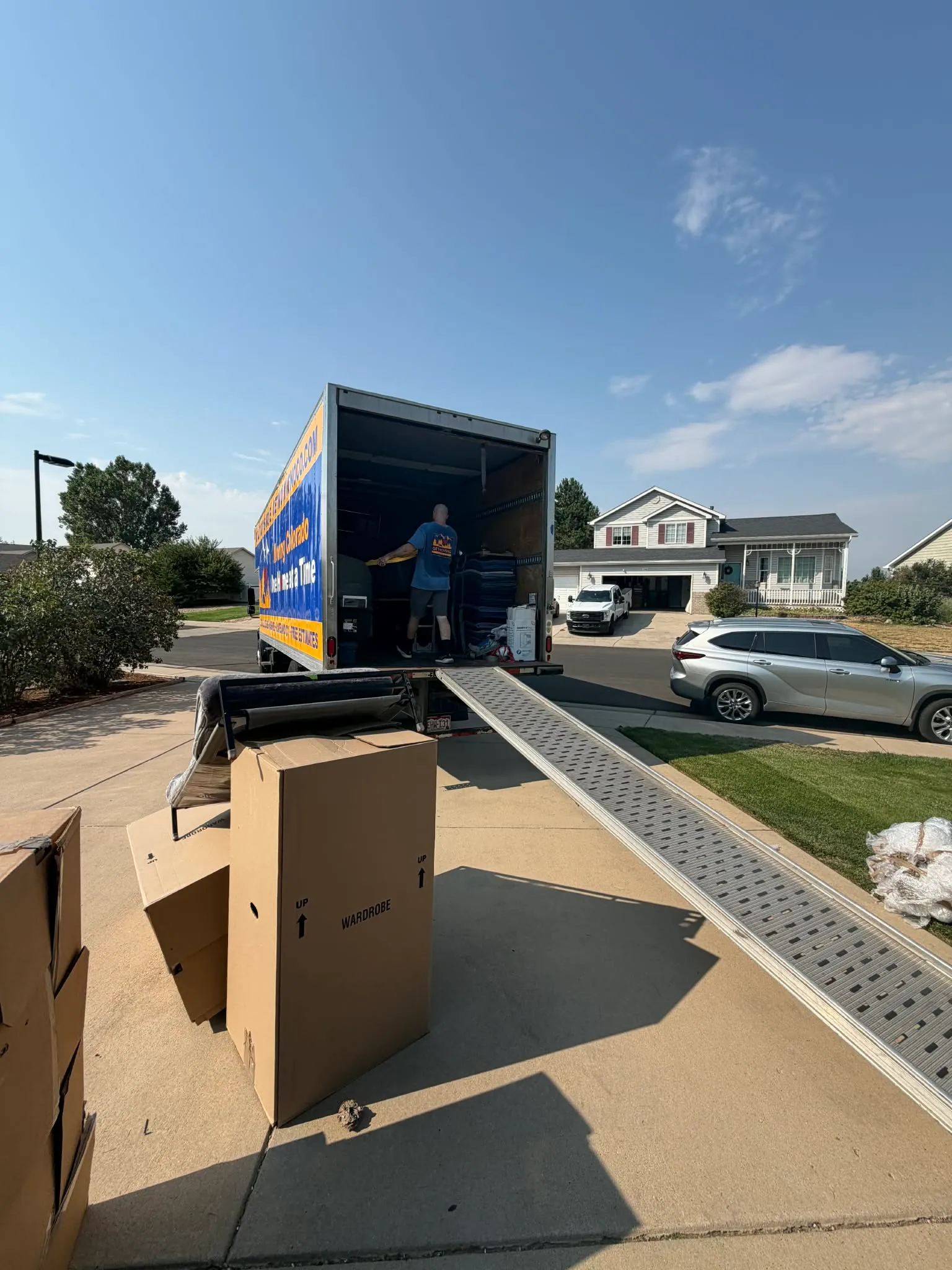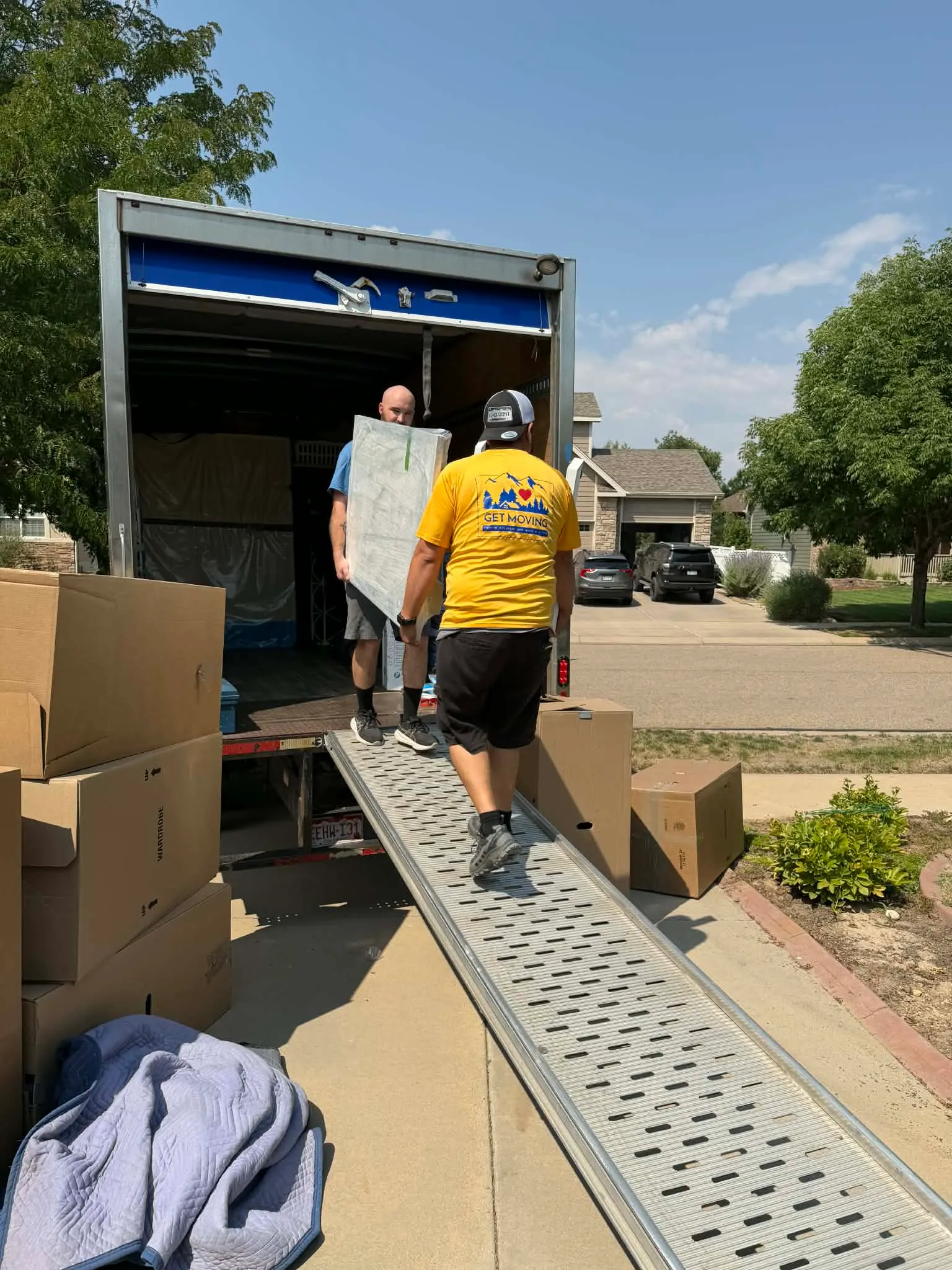
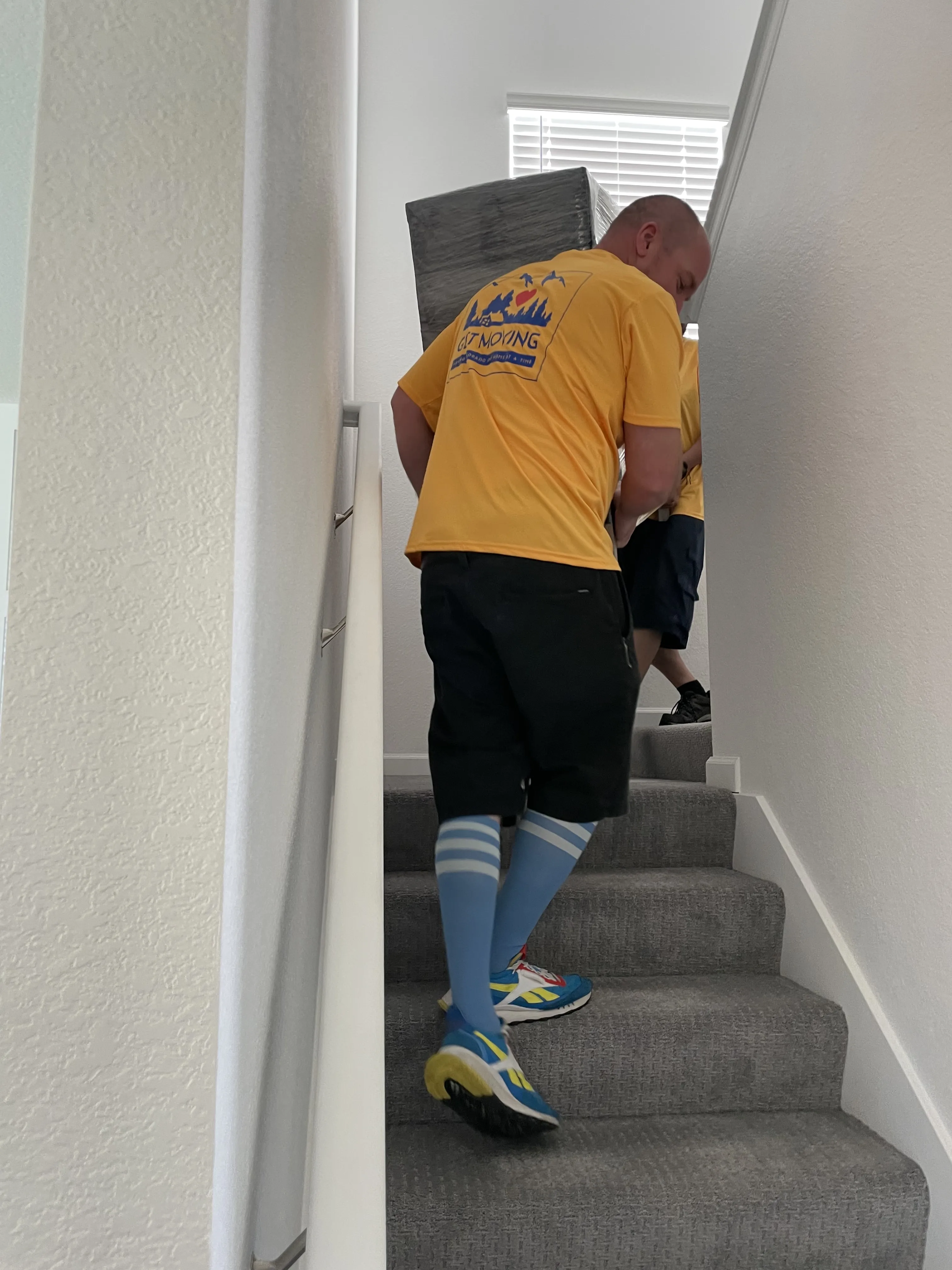
Professional movers can handle the lifting, loading, truck, and heavy furniture. The best way to help the day go smoothly is to make the home and the plan ready before the crew arrives. That does not mean making everything perfect. It means making the important decisions early, clearing the work path, and keeping the information the crew needs easy to find.
Use this checklist as a practical final pass. It is meant for a household that is using movers for a local Northern Colorado move, whether the job includes the full move or focused loading and unloading help. If you booked packing service, ask what the team will pack. If you are packing yourself, finish the small items before move day so the crew can focus on moving safely and efficiently.
One week before: confirm the move that is actually happening
Start by comparing your original estimate with the home as it looks now. A move can change after an estimate when a storage unit is added, a large piece of furniture is purchased, a basement is cleared, or an item that was meant to stay now needs to go. Take a room-by-room walk through the house, garage, shed, patio, and storage areas. Make a short note of the major pieces, unusual items, and any stops on the route.
Call out the details that need special consideration: safes, oversized exercise equipment, large mirrors, appliances, fragile artwork, antiques, or furniture that must fit through a tight stairwell. You do not need to decide the solution alone. You do need to give the crew time to plan for the real item instead of discovering it at the door.
For Colorado households comparing a mover, the Colorado Attorney General’s consumer guidance recommends checking the company’s standing and getting written estimates. Keep your estimate, contact information, and move details together so there is one clear reference on moving day.
Finish the packing and label for unloading, not just loading
If packing is not part of your service, small loose items should be inside closed, taped boxes before the crew arrives. Use boxes for kitchen items, books, toys, bathroom supplies, tools, cords, and the things that otherwise multiply on counters and shelves. A sealed box is safer to carry, easier to stack, and less likely to leave a small item behind.
Label each box with its destination room and a short description. The room matters most because it helps the crew put boxes where you will use them. Add “fragile” where it is genuinely needed, and make it readable from more than one side. If you are still working through the home, the moving packing checklist can help you finish the room-by-room work without mixing it up with this move-day plan.
Prepare access at both addresses
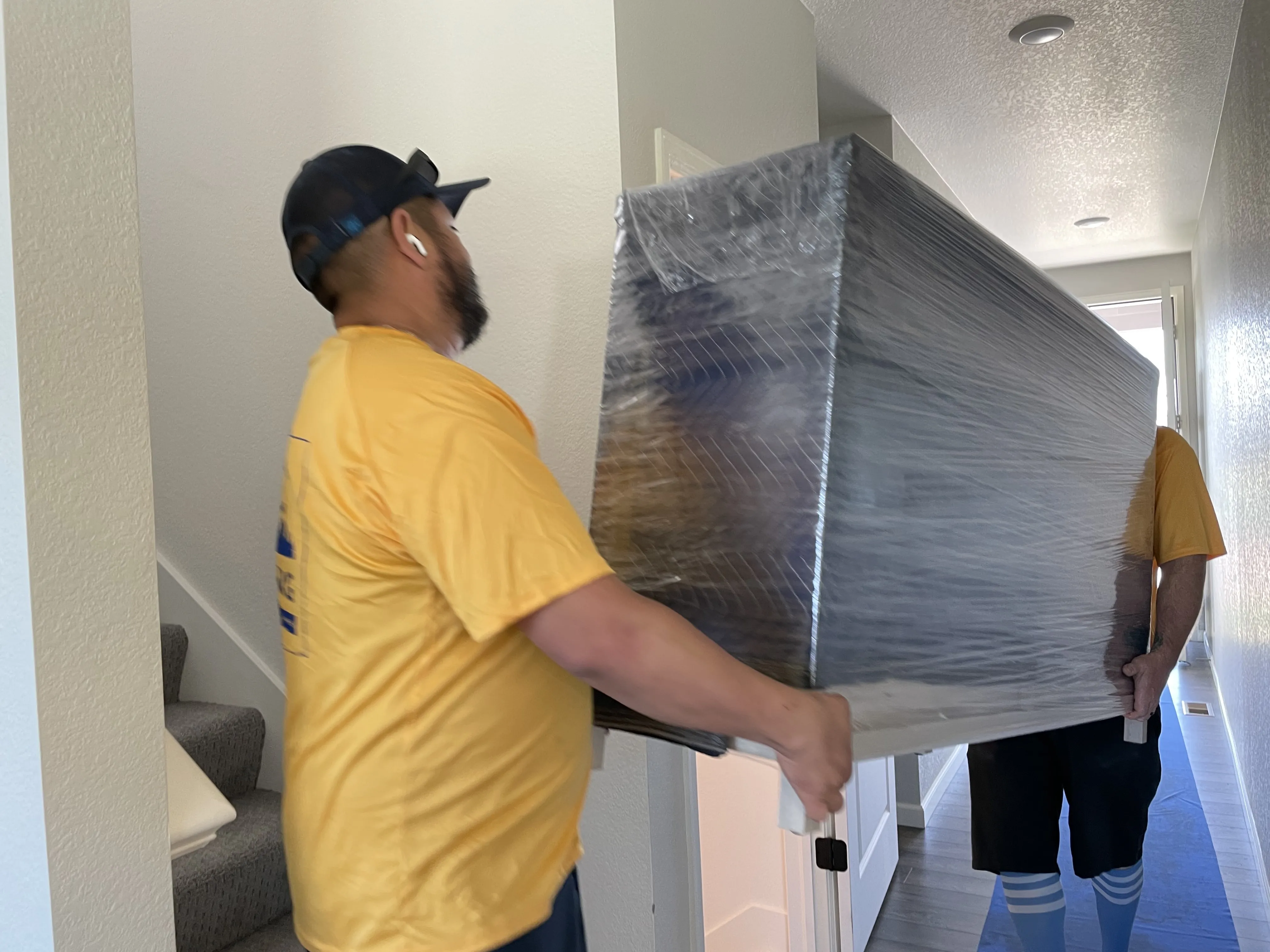
Access details are often what turn a simple-looking move into a longer day. Check where the truck can park at the current home and the new one. Note driveways, loading zones, street restrictions, steep walks, stairs, elevator reservations, building move-in hours, gate codes, unit numbers, and long hallways. Share that information before the move, then keep it handy for the crew lead.
Apartment and condo moves deserve an extra phone call to the building or property manager. Ask whether an elevator needs to be reserved, whether a loading space is assigned, whether hallways need protection, and whether there is a move window. For a house, open the gates, move vehicles where they will not block the truck, and trim back any obvious obstacle along the carry route.
At both homes, clear a wide path from the rooms to the door. Pick up shoes, toys, cords, small rugs, décor, and loose items that could become a trip hazard. Keep pets and children in a quiet, safe area away from open doors and the carrying path. A clear route is not just faster, it makes it easier for everyone to carry large items carefully.
Create a no-load zone for the things that stay with you
Not everything should be loaded into the truck. Put keys, wallets, identification, closing or lease paperwork, medications, jewelry, laptops needed for work, chargers, and personal valuables in a bag that travels with you. Do the same with first-night items such as toiletries, a change of clothes, bedding, pet supplies, and the basics you will need before the boxes are unpacked.
Choose one place for these belongings, such as your vehicle, a locked room, or a clearly marked corner that is outside the loading flow. Tell the crew that it is not moving. The moving essentials checklist has a more detailed first-night plan, but the simple rule is enough: if you would be stressed to lose track of it until tomorrow, keep it with you.
Make a simple plan for furniture and priorities
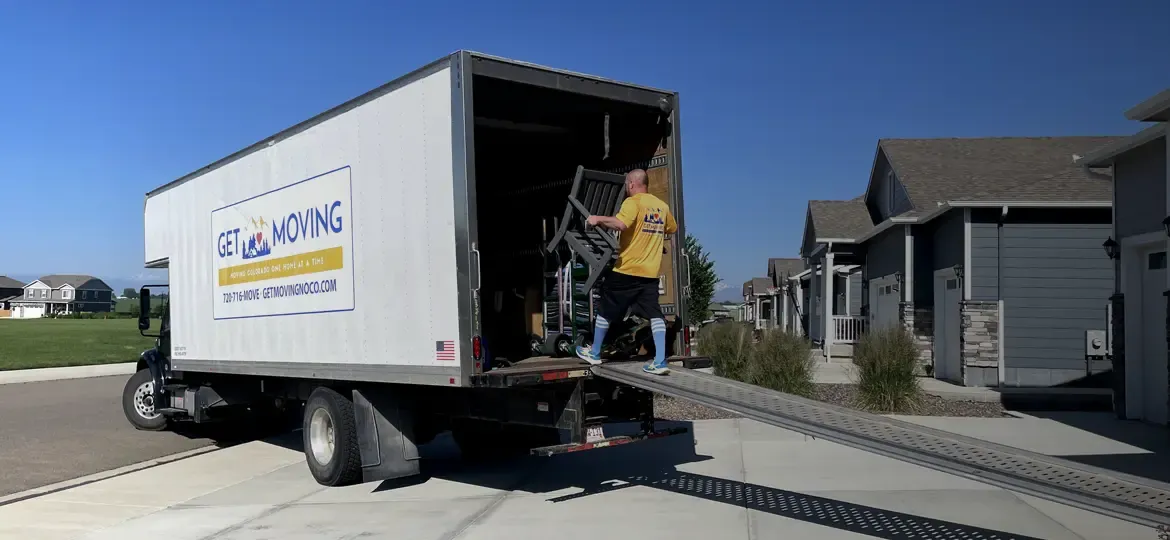
You do not need a detailed floor plan for every box. You should decide where the major furniture belongs and which rooms need to work first. A quick label on the bedroom, office, kitchen, or living room door can help during unloading. Tell the crew about pieces that must be disassembled, items that stay behind, and anything that should load or unload first.
If you have a storage stop, rental truck, or portable container, say what needs to remain accessible later. The loading order can make a real difference. The same is true for a new home where a child’s room, a bed, or a work setup needs to be ready before the rest of the house. When the priorities are clear, the crew can spend less time waiting for direction and more time protecting and placing the things that matter.
The night before: do a calm final pass
Finish the last ordinary boxes, then walk each room with a purpose. Check closets, cabinets, drawers, the garage, outdoor spaces, and anywhere a small item can be forgotten. Confirm that the refrigerator, freezer, appliances, or electronics are prepared as required for your move. Charge your phone, put the mover’s number and both addresses where you can reach them, and make sure the person directing the move can be available.
Do not leave the most time-consuming decisions for the morning. If a box is still open, a path is blocked, or the inventory has changed, deal with it the day before or contact the company. The morning should be for a walkthrough, answers to practical questions, and getting the day started safely.
When the crew arrives: walk through, then stay available
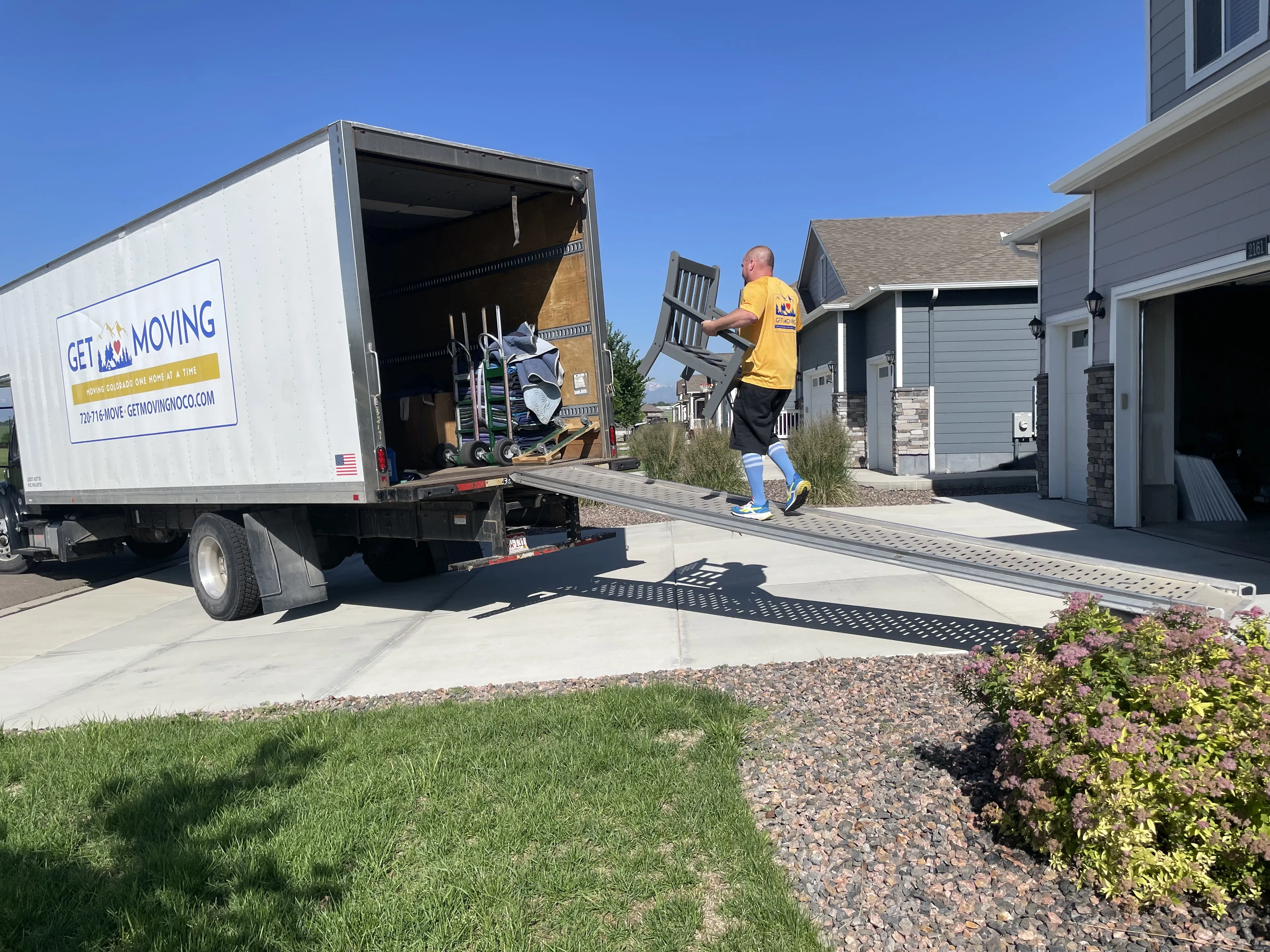
Meet the crew, point out the access route, and take a quick walk through the home together. Identify the items that need extra care, the no-load zone, anything staying behind, and the order that matters for the new address. This is also the right time to mention a change in parking, an elevator delay, or a piece that was added after the estimate.
After the walkthrough, stay reachable. You do not need to hover over every box, but the crew may need a fast decision about an item, route, or furniture placement. Keep children and pets clear of the work area, have your personal bag with you, and save the final home walk-through for after the rooms are empty.
For an interstate move, the Federal Motor Carrier Safety Administration’s Protect Your Move toolkit includes consumer checklists and guidance about working with a mover. For any move, read the written terms and ask about anything you do not understand before loading begins.
Let Get Moving handle the demanding parts
Good preparation makes the move easier, but it does not mean you have to handle every difficult task alone. Get Moving can provide full or partial packing help, a complete local residential move, or loading and unloading help when you already have a rental truck, storage unit, or container.
When you request a free moving estimate, share the addresses, home size, major furniture, boxes, access details, move date, and any special handling needs. That gives the team a practical picture of the work and gives you a clearer plan before moving day arrives.
Frequently asked questions
What should I do the day before movers arrive?
Finish the packing that is not included in your service, seal and label boxes, confirm parking and access details, set aside personal essentials, and make sure the crew can move safely through the home. If anything about the inventory or access has changed, let the moving company know before moving day.
Do I need to be home when movers arrive?
A decision-maker should be available to walk through the home, answer questions, identify items that need special handling, and confirm the loading plan. If you cannot be there, arrange a reliable point person who has the information the crew needs.
Should everything be packed before the movers come?
Unless you booked packing help, small loose belongings should generally be boxed, sealed, and labeled before loading begins. Leave out only the personal items, documents, medications, and first-night supplies that will travel with you.
What access details should I share with movers?
Share the parking location, stairs, elevator reservations, gate or door codes, long hallways, loading-zone rules, move-in windows, storage stops, and anything else that changes the route between the home and truck. Those details help the crew plan for the actual work.